- General Info
- Agenda
- Venue
- Accomodation
- Speakers
- Sponsorships
Join us for the next Marie Curie Alumni Association (MCAA) Annual Conference and General Assembly, held on March 21–22, 2025, in Krakow, Poland!
The Annual Conference and General Assembly is our flagship event. It brings together hundreds of participants from across the world and different fields of expertise in research, science policy, and industry to discuss topics relevant to the research and innovation sector.
Registration for the Annual Conference is open!
Register for the conference by clicking on the image below.
Registration for the General Assembly
Registration for the General Assembly (GA), which will be held on March 22nd from 14:15 to 17:30, has to be done separately. Please note that the GA is only open to MCAA members. Click on the image below to secure your spot!
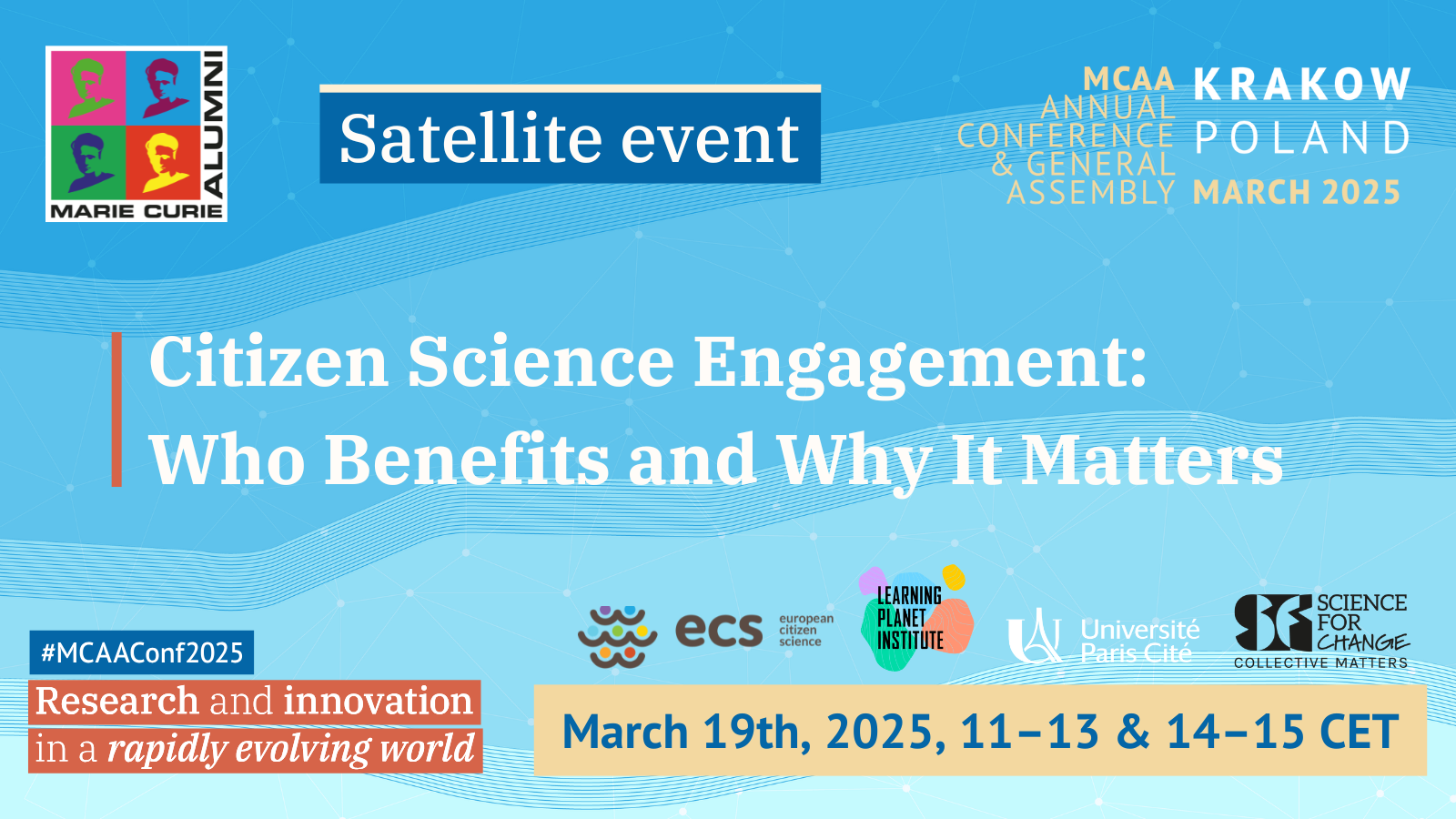
Join our satellite events!
Various satellite events will take place before the conference on March 19th and 20th. Click on the below banners to read more.
Join us in Krakow, Poland
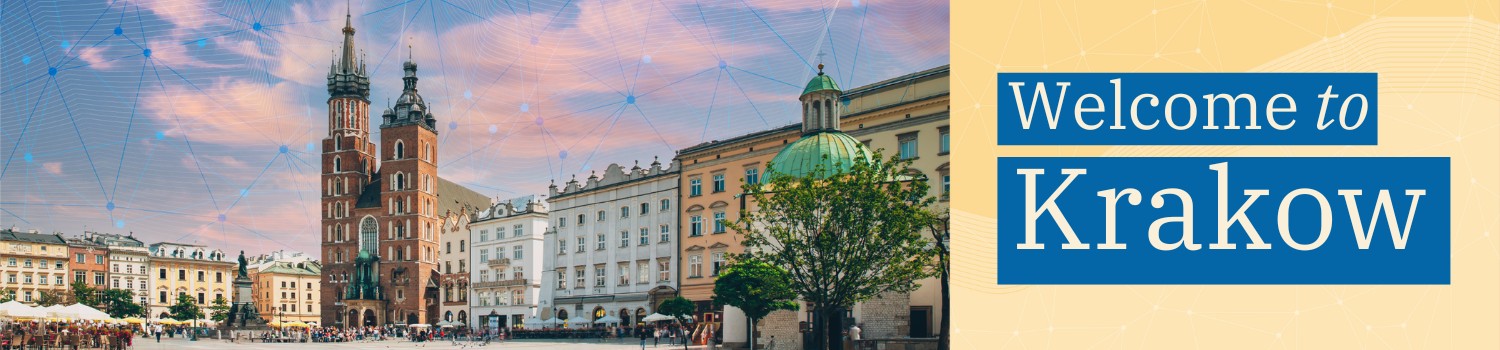
Krakow is the historical capital of Poland. Due to its cultural heritage, the city is a centre of culture and tourism and has recently become a hotspot for business and innovation.
The MCAA Annual Conference and General Assembly 2025 will be held at the AGH University of Krakow.
DAY 1 - Wednesday 19 March 2025
Time
Room
Event
Speakers
DAY 2 - Thursday 20 March 2025
Time
Room
Event
Speakers
DAY 3 - Friday 21 March 2025
Time
Room
Event
Speakers
DAY 4 - Saturday 22 March 2025
Time
Room
Event
Speakers
*The agenda might be subject to changes.
**The General Assembly (GA) is only for MCAA Members. Separate registration for both onsite and online participation at the GA is mandatory. Please note that registration to the Annual Conference is NOT considered registration for the GA. Onsite participants must show their identity cards upon entry to the GA.
Summary of abstracts
Parallel session slot 1
The Future of MSCA Programmes: A Climate-Conscious Approach
Climate concerns are reshaping research and innovation, driving rapid evolutions. Sustainability has become a central part of MSCA programmes, yet this can conflict with their high mobility requirements. As institutions turn to travel restrictions to reduce their environmental impact, reconciling these priorities is a key challenge for Project Managers. This session will explore strategies to implement climate-conscious training plans, from minimising footprint to incorporating sustainability at the core of the skills.
Unlocking Horizon Europe Funding
Horizon Europe is the EU’s main funding programme for research and innovation for 2021–2027, with a total funding of 93,5 billion euros. However, unlocking its full potential can be challenging, especially for newcomers. This session will address challenges such as programme complexity, funding mechanisms, administrative burden, and the programme’s supposedly low success rate. It will break Horizon Europe into different pillars and programmes, with a special focus on MSCA, EIC, COST, ERC and Clusters, bringing in perspectives from programme experts and successful researchers.
Bridging the Gap: What's Missing to Leverage AI in Research
This workshop explores the barriers researchers face in fully utilising artificial intelligence. The session will begin with a brief presentation of AI, emphasising the importance of leveraging it in research. Following this, participants will brainstorm to identify and reflect on the obstacles they encounter when incorporating AI into their research processes. The main point raised will then be discussed in a plenary. This interactive workshop aims to foster a collaborative environment where researchers can share their experiences, concerns, and ideas about integrating AI into their work.
From Truth to Trust: Science Communication in the Modern Era
Given the political turmoil around the world, the way we communicate online today has substantially changed. In certain countries, popular social media such as Facebook and X are banned. Moreover, social media platforms are increasingly used to spread misinformation, political agendas, and propaganda. This session navigates the sensitive issue of verifying information available online for the common masses, especially when the information is scientific and can cause panic among people. It also explores strategies for building public trust in scientific knowledge while engaging them.
Parallel session slot 2
Advancing Research Careers: Lessons from ERA Actions
This session explores the progress, challenges, and insights gained from the ERA Actions 2022–2024, focusing on their impact on researchers and innovators across Europe, including advancements in the Researcher Career Framework. Perspectives from Member States, the European Research and Innovation Area Committee (ERAC), the European Commission, and individual researchers will highlight achievements and areas for improvement. The session will also preview the ERA Actions 2025–2027, outlining new priorities and career opportunities in the evolving European Research Area and the upcoming framework programme FP10.
Empowering Women in Science Diplomacy for Global Innovation
In a rapidly changing world, the contributions of women in science diplomacy are more essential than ever. This session will explore how empowering women accelerates innovation, strengthens international collaboration, and promotes diversity. Women in these fields are key to shaping inclusive policies, driving research agendas, and addressing global challenges like climate change, health crises, and technological advancements. Panelists will share strategies for advancing gender equity, fostering mentorship, and creating pathways for leadership in science diplomacy.
Bridging Innovation & Policy: Strategic Communication
With the rapidly evolving scientific world, translating research into impactful policy and public understanding is essential. This innovation-communication nexus bridges the gap between research, policy, and the public and highlights the critical role of communication in transforming innovation into actionable agendas that shape society. This workshop-style interactive session will explore strategies for effectively conveying scientific insights to policymakers and the public, focusing on making research-driven innovation accessible beyond specialist circles.
Bridging Industry and Academia in MSCA Programmes
This panel discussion will explore strategies for improving industrial placements and secondments within the framework of the Marie Skłodowska-Curie Actions (MSCA) Individual Fellowships. Drawing from personal and collective experiences, panellists will discuss the critical role of industry-academia partnerships in maximising fellows’ skill development and career readiness. The session will also address common barriers, such as prolonged and complex negotiation processes, and the difficulties many fellows face in identifying industry partners willing to engage in secondments.
Parallel session slot 3
Towards Fair and Inclusive Research Assessment
This session explores the changing landscape of research assessment, focusing on efforts to create inclusive, fair, and transparent evaluation frameworks. Leading experts from policy, funding, and research communities will discuss ongoing initiatives, such as those by the Coalition for Advancing Research Assessment (CoARA), that prioritise diverse contributions instead of relying solely on narrow metrics. It will focus on how new assessment criteria can influence research careers, support early-career researchers, and promote a more dynamic research ecosystem.
Insights and Impact on Researcher Wellbeing and Mental Health
This interactive session will provide an overview of the ReMO project, which focused on the critical issue of wellbeing and mental health in academia. The project developed context-specific frameworks and tools tailored to address the challenges in academic environments. Moreover, potential risks and challenges will be evaluated to develop tailored approaches and actionable strategies aimed at improving individual well-being and creating a supportive, sustainable environment that promotes success and innovation.
AI Ethics & Integrity for Responsible Research & Innovation
As AI transforms research across disciplines, balancing innovation with responsibility is essential. This session will examine the ethical challenges of AI in research, including mitigating algorithmic bias, protecting data privacy, and ensuring the integrity of scientific findings. It will also discuss the new EU AI Act, which aims to foster responsible artificial intelligence development and deployment in the EU, and the impact of this new regulation on research and innovation.
Bridging Science, Art & Society in a Rapidly Evolving World
In a rapidly evolving world, the gap between complex research and society grows. This session explores how arts and design can bridge this divide, enhancing public engagement. Project managers and fellows from two ITN projects will share their experiences integrating art with science to connect researchers, artists, and the public. The discussion will address ways to avoid alienating society amidst rapid R&D advancements.
Parallel session slot 4
How is Open Science part of Research Assessment: New Metrics for Real Impact
Traditional approaches to measuring research impact for hiring, promotion, and funding decisions have often focused on limited quantitative metrics. Recently, the movement to reform research assessment has advocated for a more balanced and responsible assessment of research and researchers. New indicators and metrics are being piloted that incentivise open science practices. This session aims to explore strategies from diverse stakeholders for reforming research assessment in their respective contexts and achieving a balanced approach to achieving fair and meaningful research evaluation.
Diversity & Inclusion Strategic Planning Workshop
This session will lay the groundwork for a Diversity and Inclusion Plan that aligns with the MCAA's mission and long-term goals. Through collaborative and actionable strategic planning anchored on a shared commitment to equity, the aim is to define specific, measurable objectives that will guide the Association’s growth. By integrating inclusive practices, the goal is to build a community that not only supports its members but actively champions inclusion in all its forms and principles in every interaction, initiative, and partnership.
Expat Communities: Science Policy & International Mobility
In a rapidly evolving world, sticking to one’s roots can be crucial for individuals and societies. This applies explicitly to researchers abroad. Researcher expat communities have been built through bottom-up efforts, and the resulting support networks tend to enable easier accommodation for expat researchers and their families. Thanks to expats’ experiences in academic systems abroad, they often positively influence science policy in their home countries upon their return. This session focuses on discussing expat experiences, their societal benefits and their impact on science policy, as well as on promoting international mobility in research and innovation.
The Future of Science: Bridging Careers, Collaboration & Innovation
This session explores the transformative potential of research careers through collaboration, open innovation, and sustainability. Featuring experts from academia, industry, and policymaking, it delves into strategies for interdisciplinary career building, fostering academia-business partnerships, and advancing global sustainability goals. Participants will gain insights into leveraging diverse career opportunities, navigating funding landscapes, and driving innovation through open-access practices, with real-world examples from the MSCA, European Commission and beyond.
Welcome to Krakow, a city with a rich history in southern Poland and the location of the MCAA Annual Conference and General Assembly 2025!
Krakow is the historical capital of Poland. Its Old Town is a UNESCO-listed World Heritage Site, and it has Europe's largest market square. In 2000, it was recognised as the European City of Culture and in 2013 as the UNESCO City of Literature.
Due to its cultural heritage, Krakow is a centre of culture and tourism, attracting approximately ten million visitors annually. In recent years, it has also become a hotspot for business and innovation, hosting conferences in different fields.
You can find more information about Krakow here.On this page, you can find information about the conference venue, accommodation, and travel to and within Krakow.
Conference venue
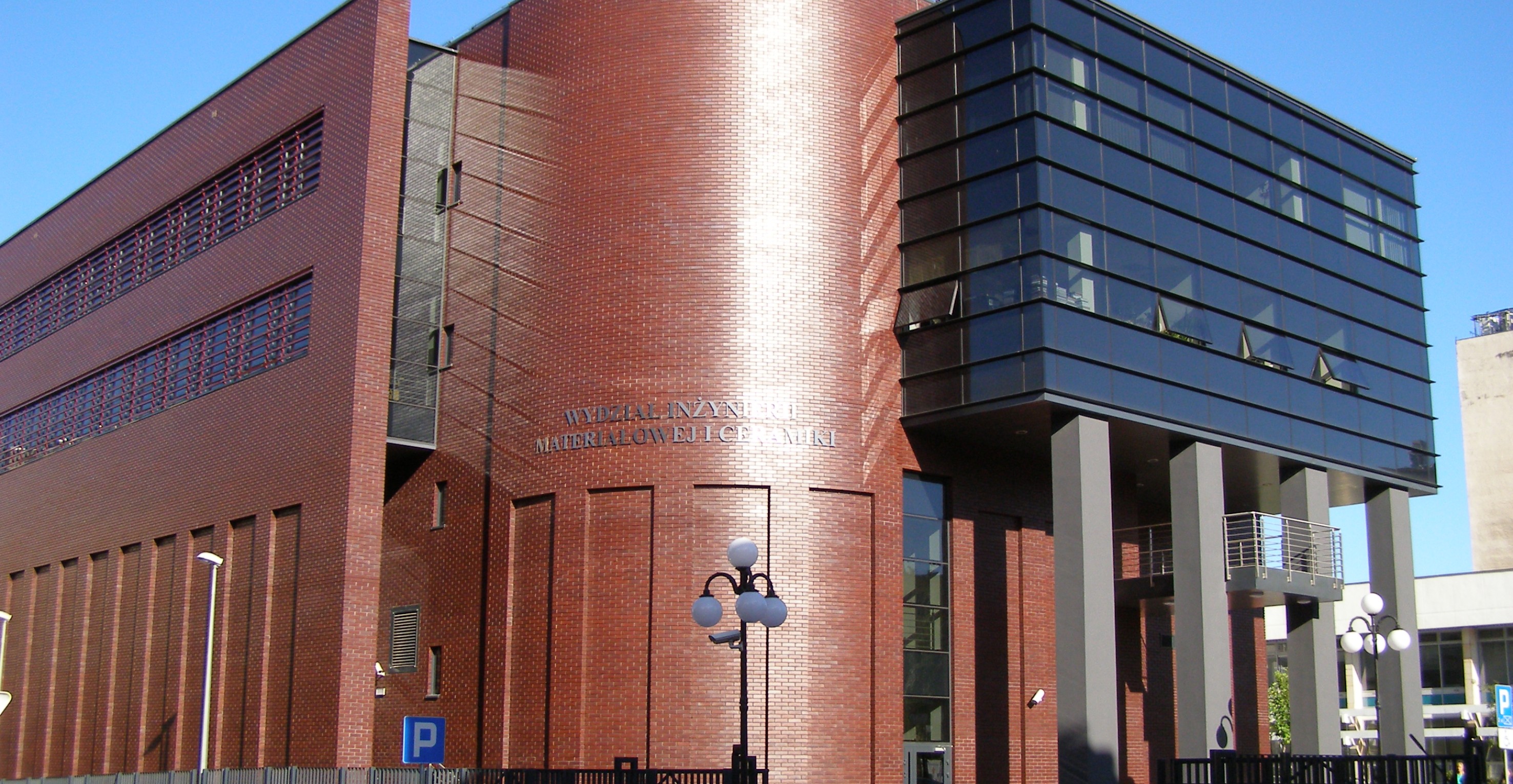
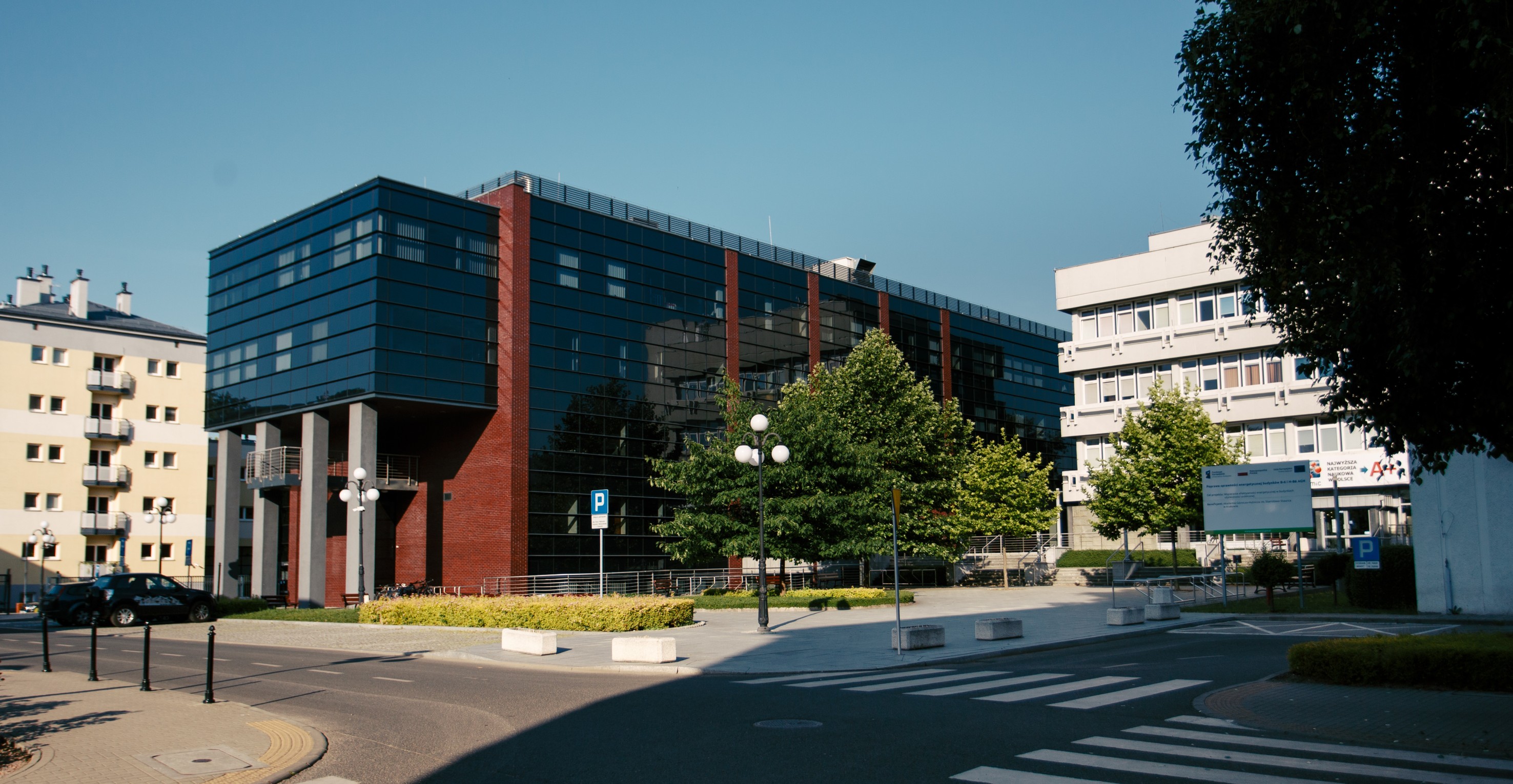
The 2025 MCAA Annual Conference and General Assembly will be held at the AGH University of Krakow.
The AGH University of Krakow dates back to 1919, when Marshal Józef Piłsudski, Head of State, inaugurated the Mining Academy, which was the former name of the University. Being mainly a technical university, AGH University has served science and industry through the education of students, the development of academic staff, and research for more than 100 years. AGH University is recognised as one of the biggest and leading technical universities in Poland.
The 2025 MCAA Annual Conference and General Assembly will be held at the university campus, which is located in the south-west of Krakow, just a short walk from the city centre.
Address
AGH University of Science and Technology
B-8
Aleja Adama Mickiewicza
30/0.2430-059 Kraków
Hotel recommendations
Hotel Polonez (***)
- Distance from conference venue: 67 metres
- Reservations: [email protected] / +48 12 631 82 94
- Cost per night for a standard single/double room (breakfast included): 280/400 PLN. Applies for reservations completed by February 10th via email or phone and mentioning the password "MCAA Conference".
Website
Hotel Krakowiak (**)
- Distance from conference venue: 1,5 kilometres
- Reservations: [email protected] / +48 12 662 64 55
- Cost per night for a standard single/double room (breakfast not included): 130/200 PLN. Applies for reservations completed by February 14th via email and mentioning the password "MCAA Conference".
- Website
Novotel Kraków City West (****)
- Distance from conference venue: 1,9 kilometres
- Reservations: [email protected] / +48 12 622 64 00
- Cost per night for a standard single room (breakfast included): 340 PLN. Applies for reservations completed by February 14th via email or phone and mentioning the password "MCAA Conference".
Hotel Logos (***)
- Distance from conference venue: 1,1 kilometres
- Reservations: [email protected] / +48 12 631 62 00
- Cost per night for a standard single/double room (breakfast included): 370/420 PLN. Applies for reservations completed by February 14th via email and mentioning the password "MCAA Conference".
Grand Ascot Hotel (****)
- Distance from conference venue: 1,1 kilometres
- Reservations: [email protected] / +48 12 446 76 00
- Cost per night for a standard single/double room (breakfast included): 480/520 PLN. Applies for reservations completed by February 20th via email or phone and mentioning the password "MCAA Conference".
Hyatt Place Krakow (****)
- Distance from conference venue: 1,9 kilometres
- Reservations: [email protected] / +48 12 354 1271
- Cost per night for a standard single/double room (breakfast included): 310/370 PLN. Applies for reservations completed by February 14th via email or phone and mentioning the password "MCAA Conference".
Travel directions:
Travelling to Krakow
By plane:
Krakow is served by the John Paul II International Airport, located 15 km outside the city. The airport connects Krakow to many other cities in Poland and other major cities worldwide, with daily direct flights with different airlines.
The most convenient way to reach the city centre is by train, which runs every 30 minutes between 04:25 and 00:20.
Buses provide an alternative connection between the airport and other parts of the city, including direct bus lines that stop at the ICE Krakow Congress Centre.
Several European budget airlines also connect with the Katowice Airport, located 110 km from Krakow. Matuszek and FlixBus offer daily rides between Katowice Airport and Krakow. The journey usually takes around two hours.
Alternatively, the Warsaw Chopin Airport, 280 km from Krakow, is connected to the city by a fast train (Express InterCity Premium), which takes approximately two hours and 20 minutes.
By train:
Kraków Główny is the city’s main station. It has connections to different cities, including most of the capital cities of neighbouring countries, with direct options from Berlin, Vienna, Prague, Budapest, and others. Tickets can be purchased from different operators and are not interchangeable.
Travelling to the conference venue
Located in the centre of Krakow and a short distance from one of the city's major transport hubs (the nearest stop is 50 metres away), the AGH University of Krakow is easily reachable from different locations, including the airport and main bus and railway stations. Take advantage of the venue's accessibility and consider using public transportation as your first option for sustainability purposes.
If you travel by public transportation, you can take different bus lines and stop at Chopina or Czarnowiejska.
- Bus lines: 139, 144, 159, 164, 173, 194, 199, 494, 601, 611, 501, and 511.You can find more details on the bus and tram line timetables here (information is available in different languages).
If you travel by car, AGH University offers some parking spaces. If you plan to arrive at the conference by car, make sure to inform the organisers to receive an access code to enter the university premises during the event. Contact the organisers at [email protected] or via the conference registration form.
Getting around the city
The easiest way to get around Krakow is by public transport, which comprises a comprehensive and integrated network of buses and trams.
You can travel by bus and tram with a single ticket, which you can purchase inside both transports. You can purchase different tickets according to zones and travel duration, with fares starting from 4 PLN (approximately 1 EUR) for a 20-minute journey. You can also buy tickets for longer periods, such as 2–7 days. You can read more about Krakow’s public transport system here.
Bolt and Uber are also very widely used in Krakow. In Poland, Bolt offers the option for female passengers to request a ride from a female driver using the Women Only ride type in the Bolt app.
You can also get around Krakow by bike. Krakow is a bike-friendly city, with multiple cycle paths connecting the city centre and other areas. Several companies around the city offer rental options, from short sightseeing periods to longer weekly ones.
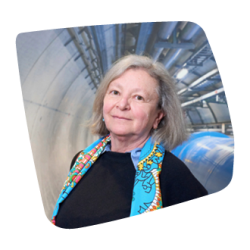
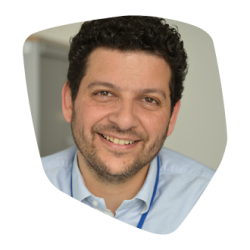
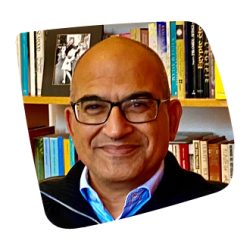
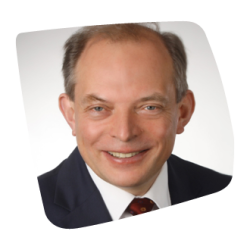
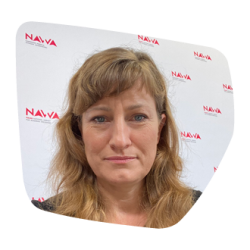
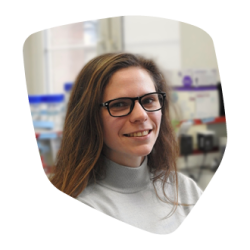
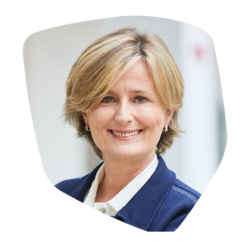
Speakers



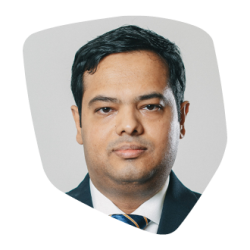
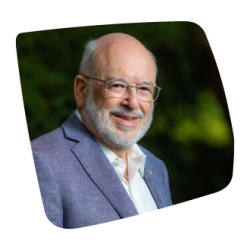





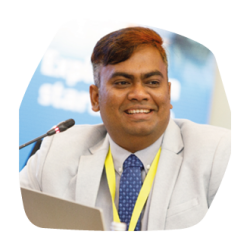



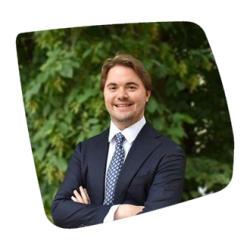





















Patrons
None


Host
None

Organisational partner
None

Academia sponsors
None
Silver sponsor
None

Bronze sponsor
None

Partner
None