News from the MCAA - 2025 in focus: Expanding research cultures, changing scientific practice, and global connectivity
In 2025, the MCAA consolidated its role as a global, researcher-led network responding to shifting research environments, evolving career pathways, and new modes of scientific collaboration. Chapters expanded their regional presence, Working Groups deepened thematic engagement, and cross-border initiatives strengthened international dialogue. Several initiatives reached new levels of maturity, most notably the transition of the Artificial Intelligence group from a General Interest Group into a formal Working Group, reflecting the structural importance of AI in contemporary research practice. At the same time, the creation of new and emerging Chapters further extended the Association’s regional footprint, including the establishment of the Finland Chapter, reinforcing the MCAA’s global reach.
Across these developments, three interconnected dimensions shaped the year’s activities: expanding research cultures, changing scientific practice, and strengthening global connectivity. Together, they reveal an Association increasingly attentive not only to scientific excellence, but also to the cultural, ethical, and international policy contexts in which research unfolds.
Expanding research cultures: Equity, identity, and mental well-being
Across the MCAA community, 2025 marked a shift in how research excellence is understood. Questions of equity, identity, and mental wellbeing became widely recognised as integral to sustainable and high-quality research. Chapter and Working Group activities reflected a growing consensus that inclusive and supportive research cultures are essential for both scientific integrity and long-term career development.
Mental health and well-being emerged as a shared priority. The launch of the Genders, Equity, Diversity & Inclusion (GEDI) Task Force (TF) on Mental Health represented a significant step towards addressing structural pressures faced by researchers at different career stages. Through surveys and discussions, the TF aims to identify recurring stressors such as precarity, hypermobility, and productivity expectations, while facilitating access to appropriate professional support. Importantly, these efforts frame mental well-being not as an individual responsibility, but as a collective and institutional concern.
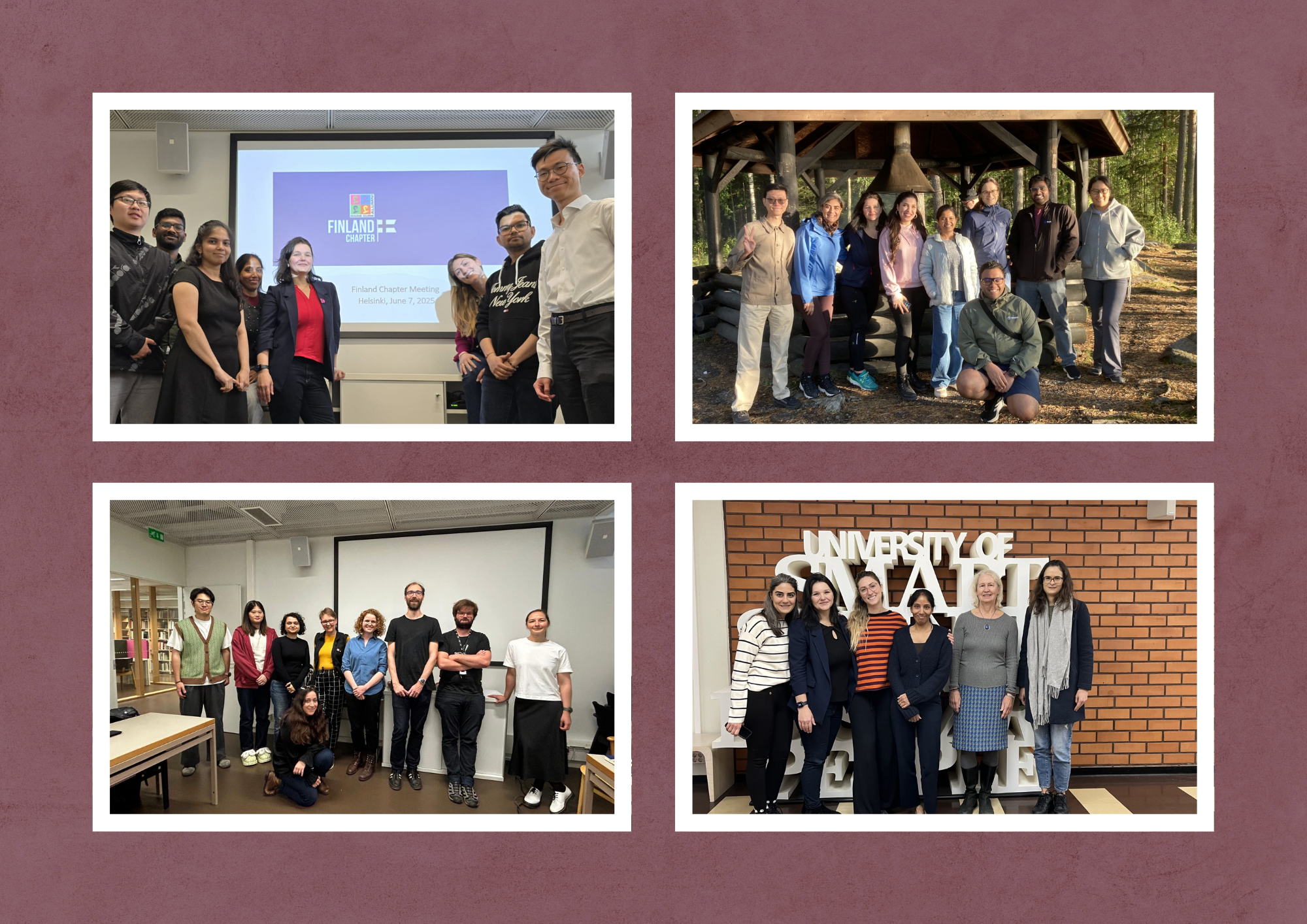
At Chapter level, discussions of well-being were embedded within broader professional development activities. Events in Italy, Austria, Finland, and Denmark integrated conversations on burnout, worklife balance, and expectations of academic performance into networking sessions and workshops. Postdoctoral and early-career researchers engaged in open dialogue about career sustainability, linking healthier research cultures directly to long-term scientific productivity.
Equity and representation continued to shape a wide range of initiatives. Flagship activities such as “Her Science Sparks” and the travelling exhibition “The Marie Curies of the Mediterranean” celebrated the contributions of women scientists across disciplines and regions. Hosted in Ankara, Vienna, Cleveland, Paris, and other cities, these initiatives combined exhibitions with panel discussions addressing visibility, career progression, and structural barriers in academia. Coordinated celebrations of the International Day of Women and Girls in Science spanned Europe, Latin America, Asia, and Africa, with contributions from the GEDI and Career Development Working Groups, and the Spain-Portugal, France, India, and Argentina Chapters. These events fostered intergenerational dialogue and highlighted diverse role models within the global Marie Curie community.
Beyond gender representation, MCAA activities increasingly addressed inclusion in global science more broadly. In Latin America, the event “Bridging Science and Society for a Better World” in Mexico City brought together researchers, policymakers, and civil society actors to explore the social responsibilities of science. Discussions addressed mental health, ethical dimensions of artificial intelligence, and the importance of locally grounded perspectives in shaping international research agendas. By linking scientific practice to societal accountability, the event underscored the interconnected nature of equity, responsibility, and impact.
Belonging and community also remained central to the MCAA’s activities. Across Chapters, initiatives created spaces for connection beyond formal academic structures, including inter-chapter mentoring, informal meet-ups, and communityfocused campaigns. In France, activities such as the “Women of Science” photo campaign complemented broader efforts to strengthen visibility and solidarity within local research communities. Events addressing mobility, family life, and academic expectations reflected the lived realities of highly mobile research careers. Collectively, these initiatives illustrate how the MCAA in 2025 contributed to reshaping research cultures that value care, diversity, and belonging alongside scientific achievement.
Science in transition: AI, slow research, and rethinking impact
Alongside cultural change, 2025 highlighted profound transformations in how research is conducted, evaluated, and communicated. Across Chapters and Working Groups, discussions increasingly focused on emerging technologies, ethical considerations, and alternative models of scientific practice.
Artificial intelligence (AI) featured prominently in this evolving context. The transition of the AI General Interest Group to a formal Working Group signalled sustained engagement with AI across disciplines and regions. Events explored how AI tools are already embedded in research workflows, grant preparation, project management, and science communication, while also raising critical questions around transparency, intellectual property, and accountability.
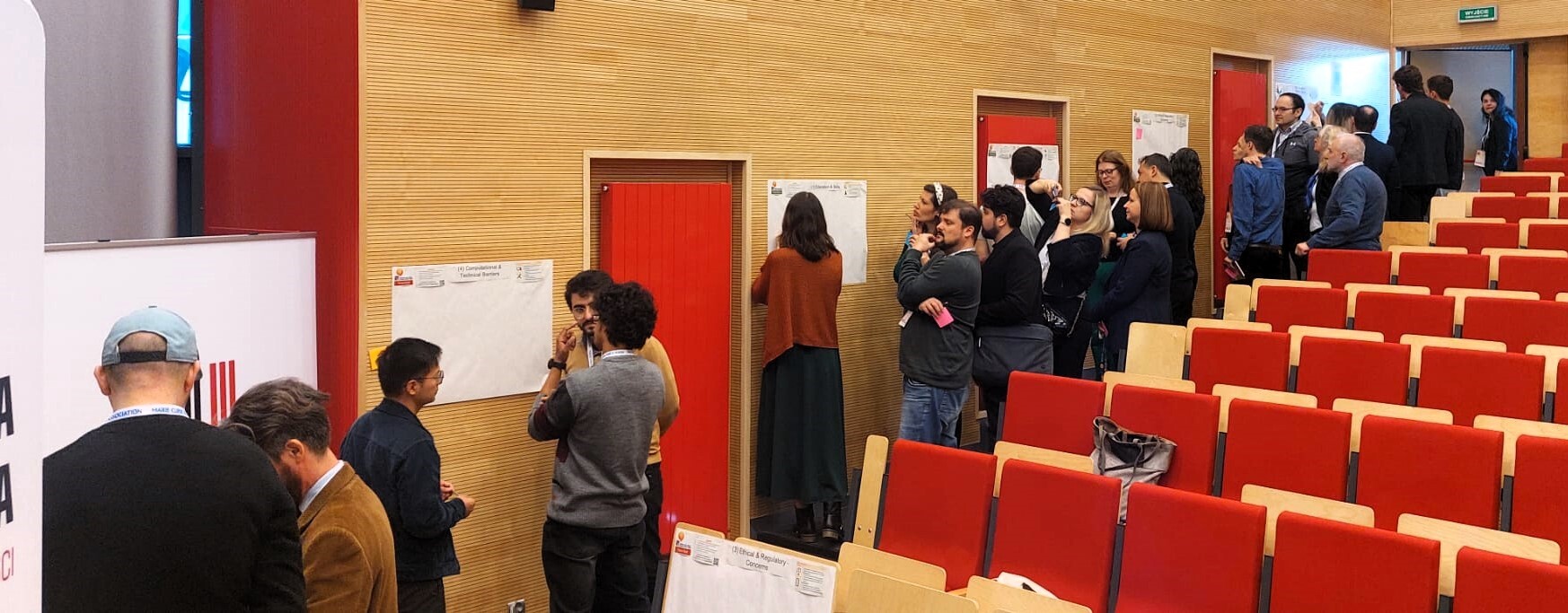
During the MCAA Annual Conference 2025, the AI General Interest Group (now, Working Group) organised a participatory workshop to identify barriers to responsible AI adoption in research. The outcomes of this process formed the basis of a metaresearch study later presented at the AI for Science Summit in Copenhagen, demonstrating how bottom-up discussions within the MCAA can inform broader research and policy debates.
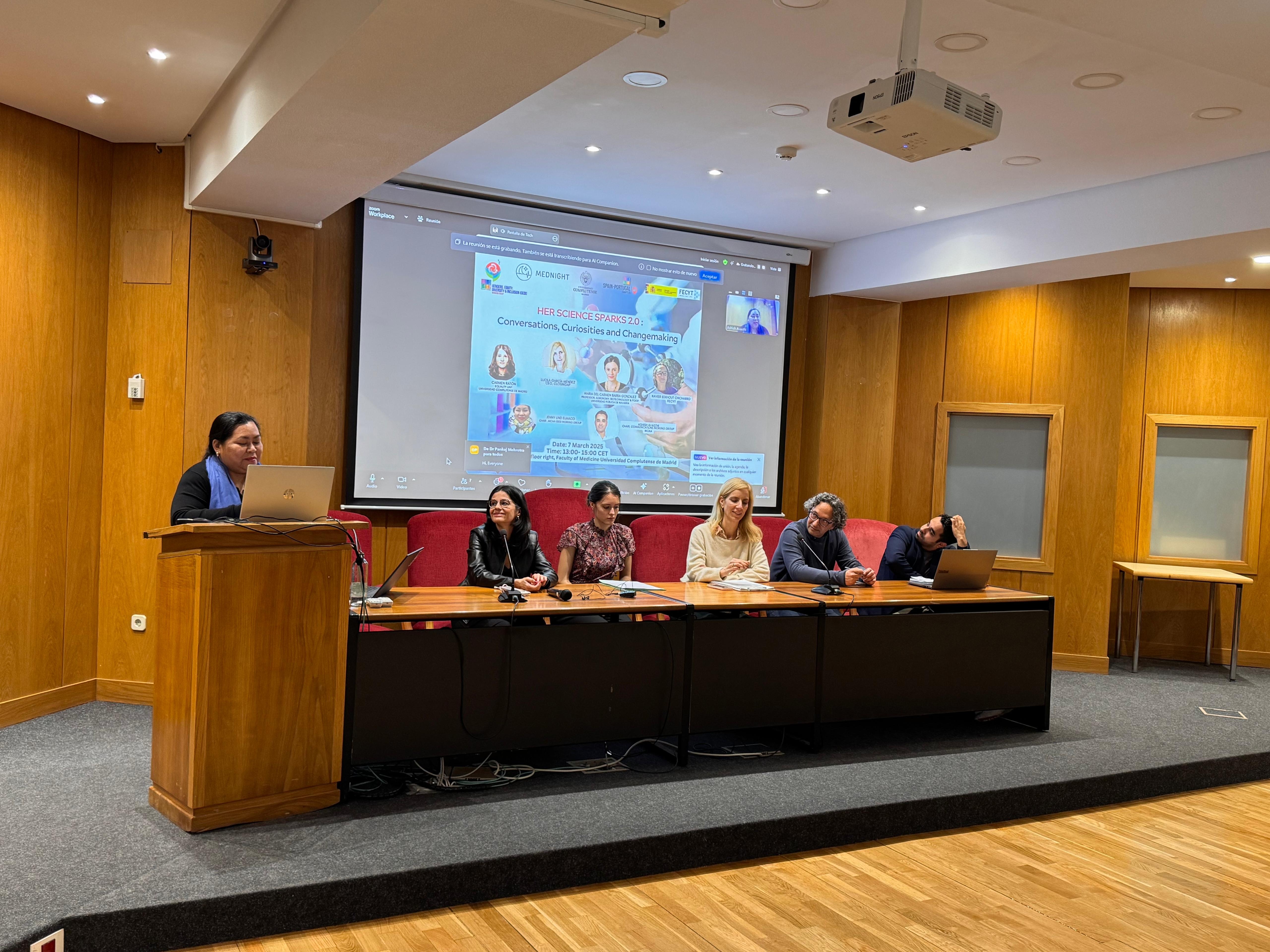
The scale of AI engagement was particularly visible in Asia. The China Chapter organised multiple large-scale hybrid events addressing AI-enabled innovation, talent development, and interdisciplinary research. Conferences and workshops reached extensive in-person and online audiences, illustrating new models of digital engagement and transnational capacity building. These initiatives positioned AI not merely as a technical tool, but as a transformative force reshaping collaboration patterns and career pathways.
Parallel to technological change, MCAA activities increasingly questioned dominant narratives of speed and productivity in academia. Webinars on slow science, organised by the Policy Working Group and Chapters in North America and Europe, invited researchers to reflect on research quality, integrity, and long-term societal value. These sessions explored how deliberate and reflective research practices coexist with policy relevance and technological advancement. Discussions linked slow science to research assessment reform, ethical responsibility, and career sustainability, particularly for early- and mid-career researchers navigating competitive environments.
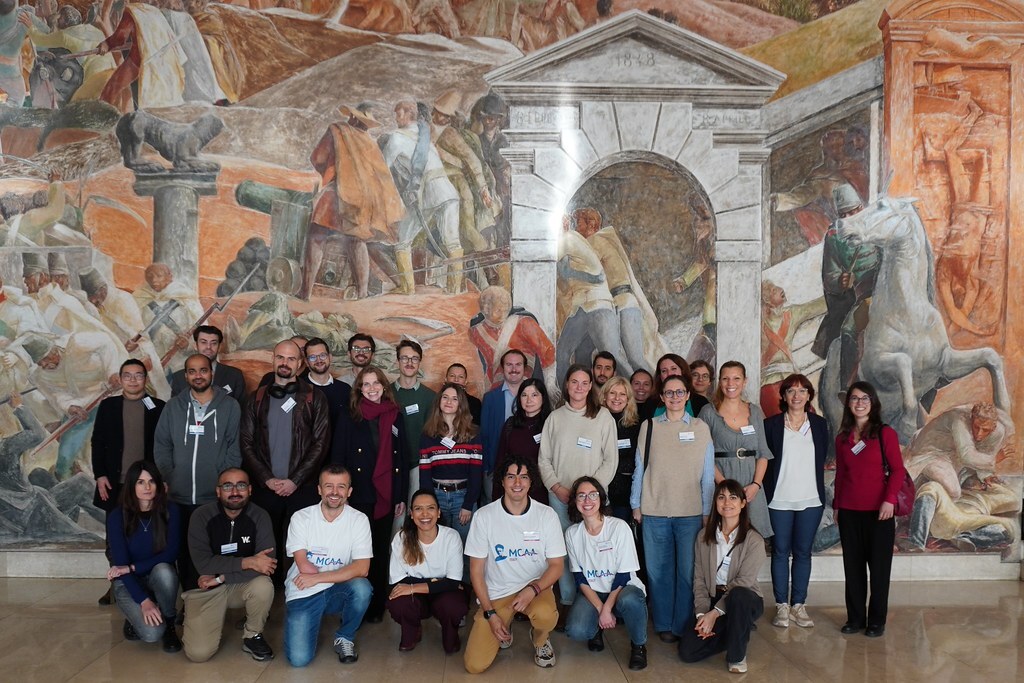
At Chapter level, reflections on scientific practice were grounded in everyday academic realities. In Italy, an in-person grant writing workshop and networking event brought together researchers from multiple institutions to exchange practical strategies, personal experiences, and lessons learned from both successful and unsuccessful funding applications. By combining expert guidance with peer discussion in a shared academic setting, the initiative emphasised mentorship, tacit knowledge transfer, and resilience as integral components of contemporary scientific practice.
Sustainability also became a more structured dimension of evolving scientific practice in 2025. The Sustainability Working Group launched a monthly webinar series to showcase members’ research and foster dialogue on environmentally responsible approaches to science. Beyond academic exchange, the Working Group actively contributed to the development of the new MSCA Green Charter, released in October 2025, reinforcing the MCAA’s engagement with sustainable research frameworks at European level.
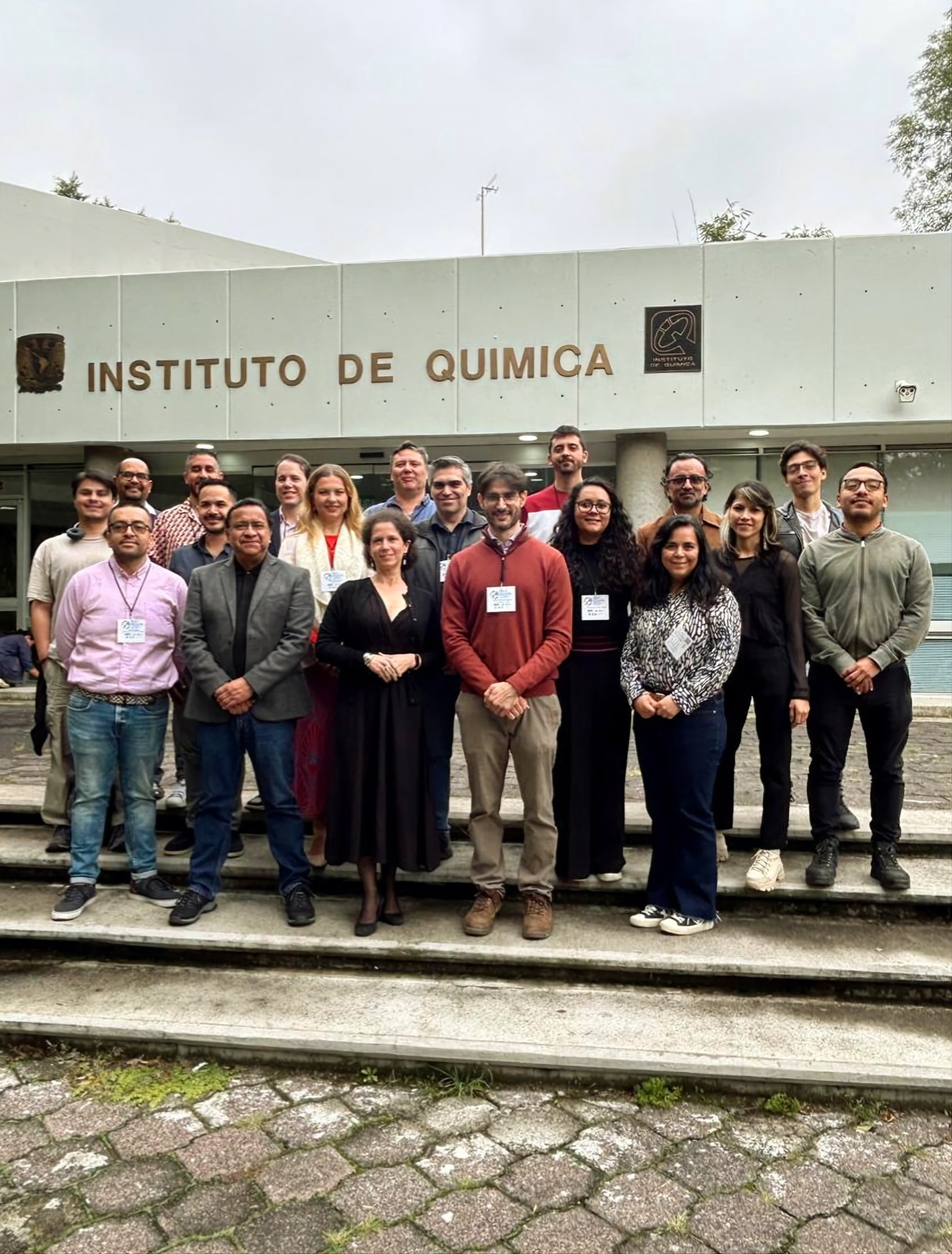
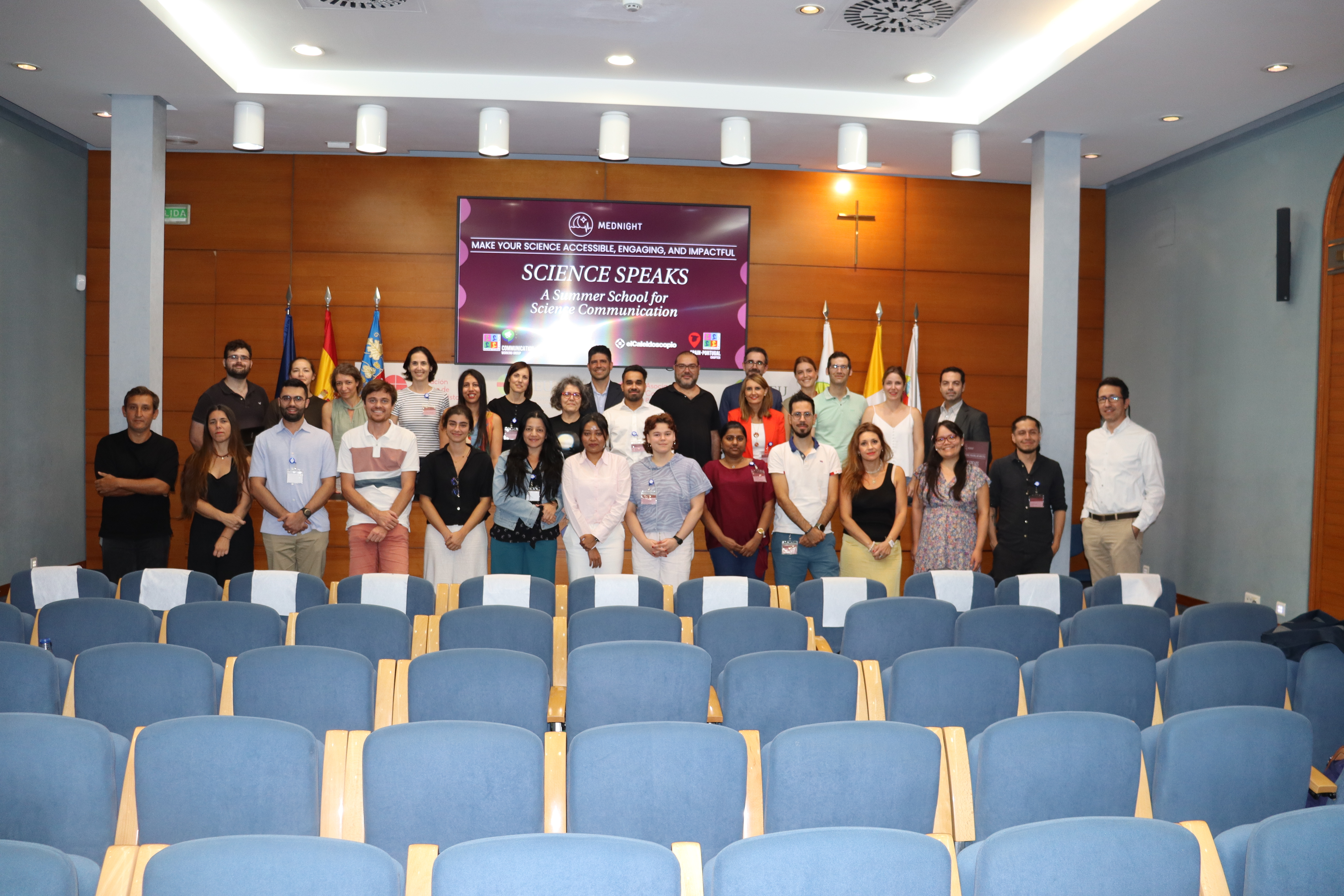
Science communication emerged as another key site of transformation. Events such as “Science Communication through Identity and Culture” challenged traditional notions of knowledge transmission by emphasising emotion, creativity, and cultural context. The Communication Working Group played a central role in advancing these discussions through initiatives such as the Science Speaks summer school in Valencia and the “Elevate Your Identity” workshop, which focused on storytelling, public speaking, graphic design, and personal branding. These activities highlighted growing recognition that effective communication is not an add-on to research, but a core scientific skill that shapes public engagement, policy dialogue, and societal trust.
Together, these initiatives reflect a broader rethinking of impact. Rather than focusing solely on outputs or metrics, MCAA activities in 2025 increasingly framed impact as relational, contextual, and socially embedded. By engaging with AI ethics, slow science, and creative communication, the Association contributed to ongoing conversations about what responsible and meaningful scientific practice looks like in a rapidly changing world.
Global bridges and local roots: The MCAA’s regional integration and science diplomacy
The MCAA strengthened its role as a connector between local research communities and global scientific networks. Across five continents, Chapters deepened regional engagement while advancing international cooperation, reinforcing the importance of globally connected yet locally grounded research ecosystems.
Science diplomacy and research mobility formed a central pillar of this engagement. Targeted exchanges between Europe and Latin America, Africa, and Asia supported dialogue on funding access, talent circulation, and institutional partnerships. In Chile, the Chapter organised information sessions on MSCA and Horizon Europe opportunities at the Universidad de Chile in collaboration with EURAXESS Latin America and the Caribbean (LAC). In India, outreach during National Science Day and International Women’s Day was complemented by specialised webinars on MSCA Postdoctoral Fellowships and proposal writing, strengthening awareness of European funding frameworks across regions.
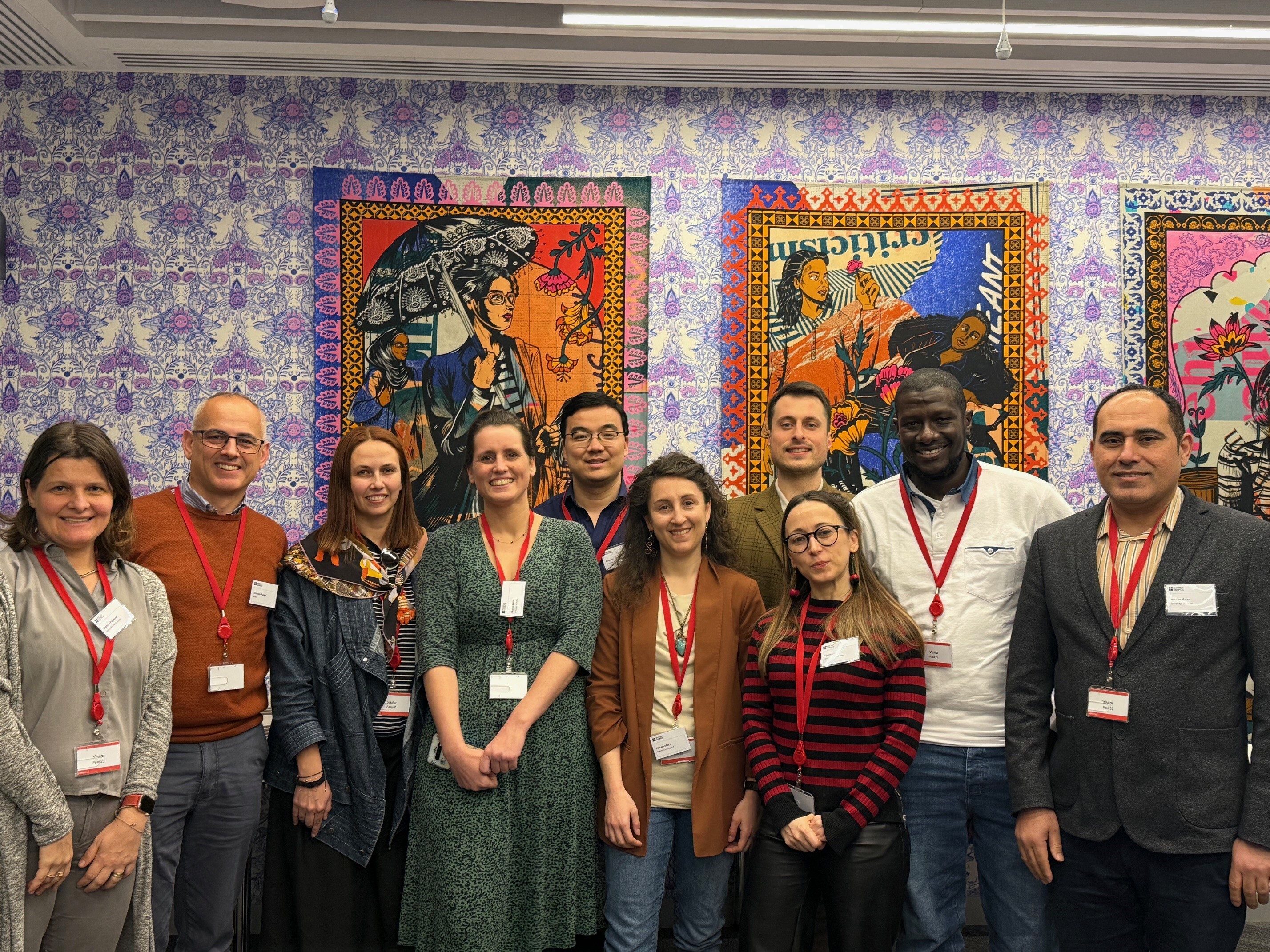
Engagement with research support structures and mobility platforms was further reinforced in Europe. In the United Kingdom, the British Council invited ten MCAA members to contribute to a consultation on the future of EURAXESS in the UK, bringing researcher perspectives directly into dialogue with policymakers and government representatives. In Japan, the Chapter co-organised an information session on Horizon Europe Doctoral Networks, contributing to Europe–Asia research linkages. These initiatives collectively highlight the MCAA’s growing role in shaping mobility ecosystems and strengthening international researcher representation.
Cross-Chapter collaboration continued to expand regional integration. The “Bridging Minds, Building Futures” event united the Poland Chapter with nine other Chapters to discuss mobility strategies and regional visibility within Europe. In Latin America, the MCAA LATAM Meeting in Mexico convened five Chapters to reflect on transatlantic collaboration and strengthen ties between European and Latin American research communities. Joint MSCA-focused training initiatives in India and Argentina further demonstrated the Association’s commitment to capacity building and peer mentoring across continents.
Regional cooperation reached a new level through AsiaConnect, involving the China, India, Japan, and Southeast Asia Chapters. Originally emerging from an informal exchange among Chapter representatives in 2024, AsiaConnect quickly evolved into a structured regional platform for scientific dialogue and cooperation. Hosted alongside the China Chapter’s Annual Meeting, AsiaConnect created structured platforms for thematic exchange, matchmaking, and sustained crossborder dialogue. Its initial virtual conferences on environmental science and AI governance gathered nearly 7,000 participants across Asia, laying the groundwork for the 2025 Annual Meeting in Guangzhou and future in-person expansion planned for 2026. What began as informal exchanges evolved into coordinated regional collaboration, illustrating how grassroots initiative within the MCAA can develop into long-term transnational networks.
Public engagement initiatives anchored these international efforts in local communities. Chapters across Europe organised outreach activities during European Researchers’ Night and similar events, creating opportunities for dialogue between researchers and the public. Informal networking formats, including community meet-ups in Finland and regional gatherings in France, strengthened ties among members while reinforcing local scientific presence.
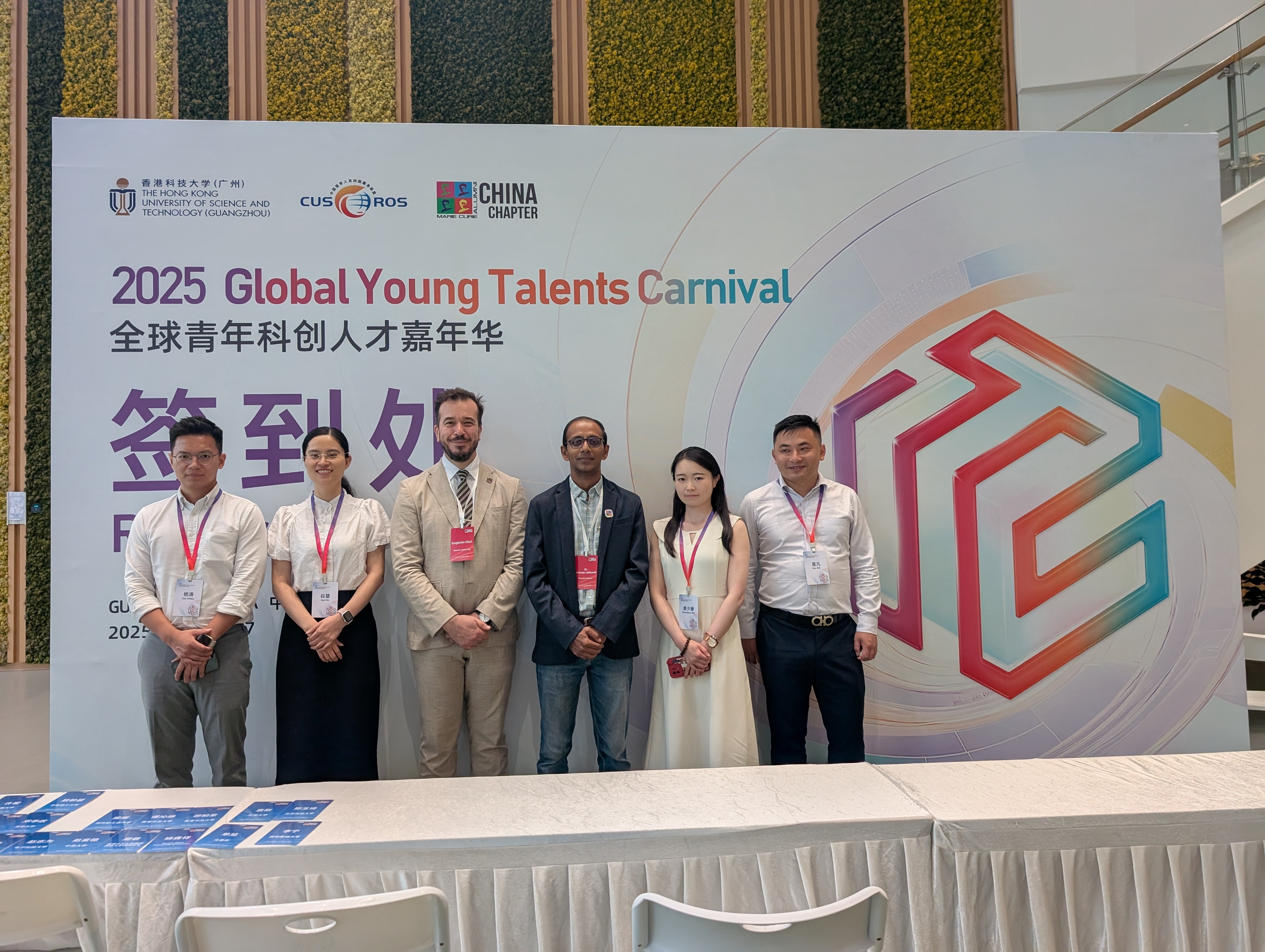
The MCAA also expanded its strategic footprint in emerging regions. Activity intensified across African, Latin American, and Asian Chapters, strengthening representation in global forums. In Asia, flagship gatherings such as the Global Young Talents Carnival in Guangzhou brought together researchers, policymakers, and institutional representatives through policy briefings, talent programmes, and community-building sessions for large in-person and online audiences. Complementing these multilateral engagements, bilateral initiatives such as the China–Spain Academic Exchange provided structured platforms for institutional partnership and talent mobility dialogue, offering concrete examples of Europe–Asia science diplomacy in action. In North America, the newly established Canada Chapter held its inaugural meeting, marking further geographic expansion. Meanwhile, the Switzerland Chapter organised professional development initiatives that combined skills training with cultural exchange, illustrating how regional Chapters continue to adapt global MCAA objectives to local contexts.
Together, these initiatives demonstrate how the MCAA in 2025 balanced global reach with local relevance. By strengthening mobility frameworks, fostering science diplomacy, and building regional networks, the Association reinforced its position as a bridge between institutions, policymakers, and researchers across continents.
Looking ahead
Reflecting on 2025, the MCAA’s activities reveal an Association increasingly attuned to the complexity of contemporary research landscapes. Across Chapters and Working Groups, members engaged not only with scientific advancement, but also with the cultural, ethical, and social dimensions that shape how research is produced and shared.
The year demonstrated how expanding research cultures, changing scientific practices, and global connectivity are deeply interconnected. Initiatives addressing mental well-being, equity, and identity intersected with debates on AI, research integrity, and communication, while regional collaborations reinforced the importance of locally grounded, globally connected science. Together, these efforts positioned the MCAA as a space where researchers can reflect, experiment, and collaborate across boundaries.
As the Association looks ahead, the foundations laid in 2025 point toward continued engagement with questions of sustainability, responsibility, and inclusion in science. By fostering dialogue across disciplines and regions, and by supporting researchers at all career stages, the MCAA remains wellplaced to contribute meaningfully to shaping the future of research in Europe and beyond.