Notes on Policy - From advocacy to impact: A milestone at the inaugural MCAA Policy Forum
For many years, the Marie Curie Alumni Association (MCAA) has been more than just a network; it has been a growing force in the European research landscape. During my time as Chair of the MCAA, our mission was clear: to ensure that the voices of researchers were heard where it mattered most. We spent time engaging with policymakers and building bridges with a vast array of stakeholders, from funding agencies to the European Commission to Member States.
There were many proud moments along the way, from addressing high- level policymakers to collaborating with MEPs. Yet, throughout those years of advocacy, a dream began to take shape within our community. We did not just want to be guests at the table; we wanted to host the conversation. We dreamed of organising our own flagship event inside the very heart of European democracy: the European Parliament.
Why now? The stakes for European research
As we looked back at the policy landscape of the past few years, the timing felt more critical than ever. With intense discussions surrounding the 10th Framework Programme (FP10), the Multiannual Financial Framework (MFF), and the future of the Marie Skłodowska-Curie Actions (MSCA), we realised that passion alone was not enough. To protect the future of the MSCA, we needed to demonstrate its undeniable impact on policymakers with hard evidence.
We believed that showing the tangible returns of the MSCA, not just in terms of scientific discovery, but in driving innovation, competitiveness, and societal progress, was crucial to the upcoming negotiations. With this vision, we began our preparations in late 2024. It was a long road of strategic planning, but on 4 December 2025, that dream finally became a reality.
A landmark day in Brussels
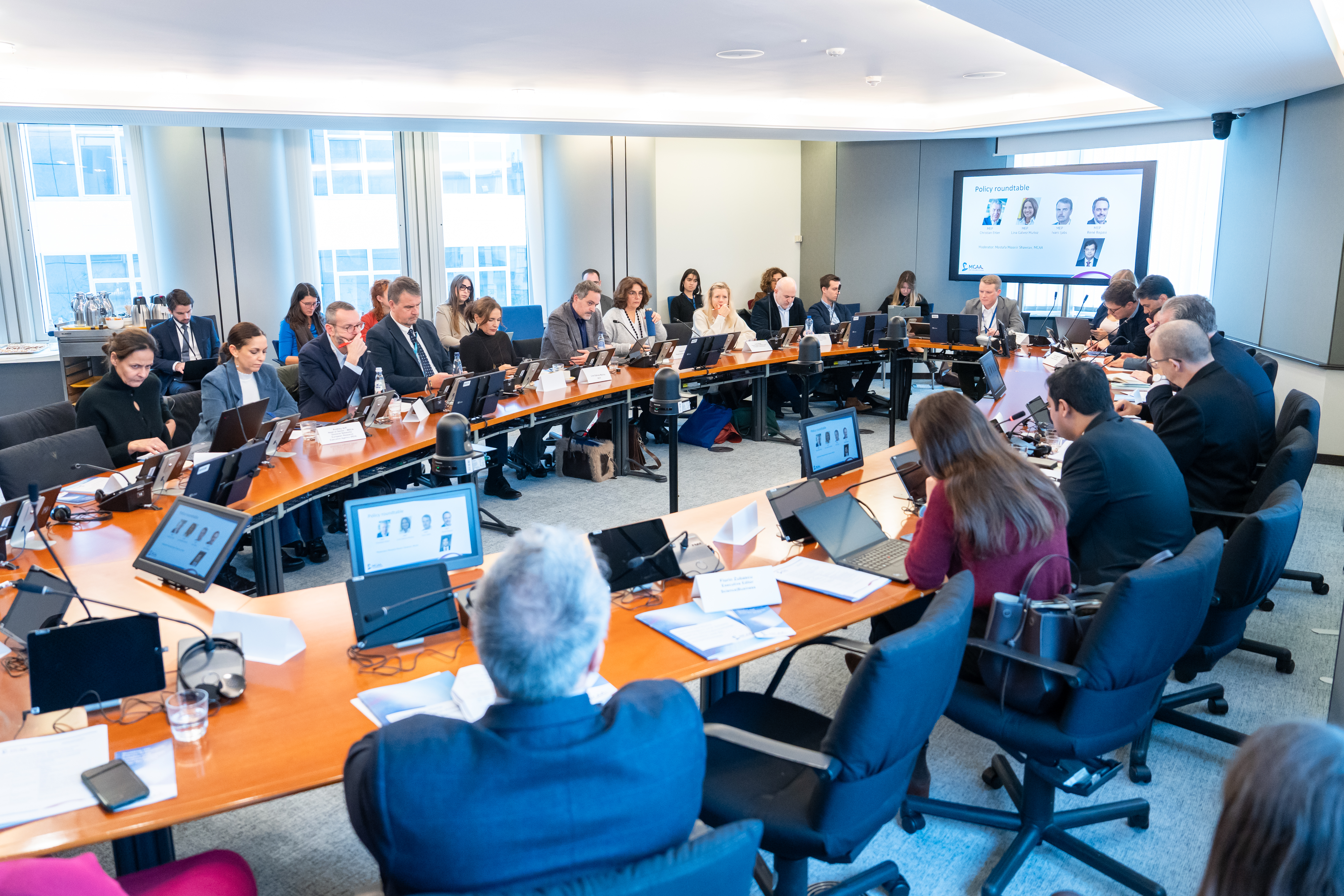
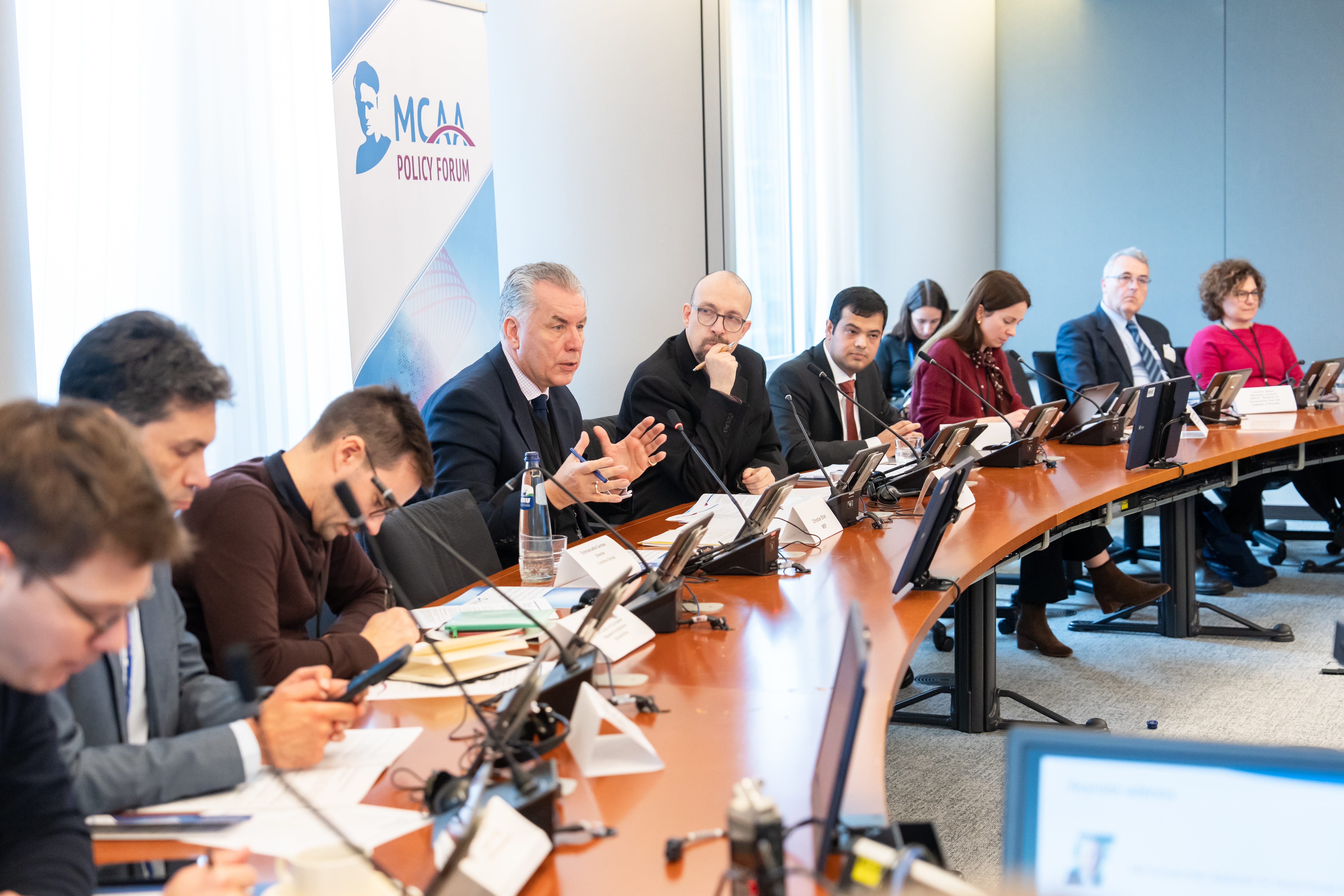
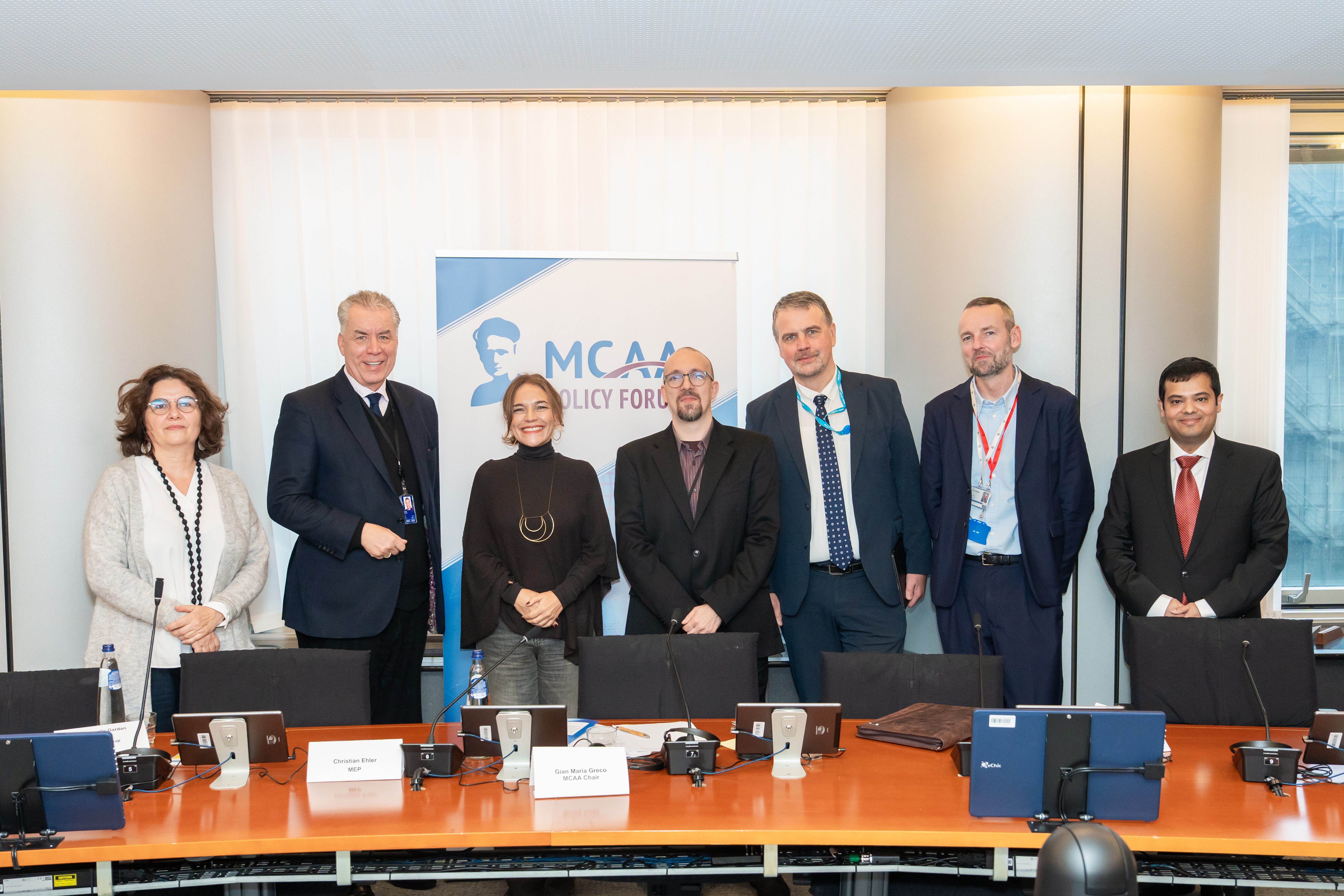
Under the patronage of MEP Christian Ehler, the inaugural MCAA Policy Forum convened at the European Parliament. The forum served as the stage for us to present our comprehensive evidence-based report, published officially on that very day.
The meeting was filled with high- level dialogue. MCAA Chair Gian Maria Greco opened the forum by emphasising how investment in researchers strengthens Europe’s global leadership. As I stood there to present the report, I was struck by the convergence of insights from our own survey data and major policy analyses like those of Enrico Letta and Mario Draghi: Europe’s competitiveness depends fundamentally on the talent it attracts and retains.
The presence of influential MEPs like Christian Ehler, Lina Gálvez Muñoz, Ivars Ijabs, and René Repasi turned the event into a truly interactive policy roundtable. We didn’t just present data; we engaged in difficult but necessary conversations about career precariousness, administrative burdens, and the need for a standalone, well-funded FP10. The meeting also saw the active participation of the Council of the European Union and the European Commission, represented respectively by Jimmy Bruun Felthaus, Minister Counsellor at the Permanent Representation of Denmark to the EU, and Claire Morel, the Head of the MSCA Unit. Their speeches and reactions reinforced how much the MCAA is now recognised as a key stakeholder in these high-level negotiations.
A milestone built on collaboration
Reflecting on the event, its success was not just about the quality of the speakers or the data in our report. It was the culmination of years of persistence and the tireless work of a dedicated team. This dream came true because of the continuous support and hard work of several key individuals.
I want to extend a massive thank you to Gian Maria Greco for his leadership, and to Tereza Szybisty and Nicolas Defaye for their unwavering dedication. Our success was also driven by the behind-the-scenes brilliance of the entire MCAA Secretariat, who ensured solid and effective support to all aspects of the event.
The first MCAA Policy Forum represents a milestone in the history of our organisation, but it is also a beginning. As we celebrate the 30th anniversary of the MSCA in 2026, we have proven that we are no longer just participants in the policy dialogue; we are driving it. The MCAA has found its home in the halls of the European Parliament, and we will continue to ensure that the voice of the researchers remains at the centre of Europe’s future.