5 things I wish I knew before undertaking my Marie Skłodowska-Curie fellowship in the USA
by Rebecca Power
The following Blog has been developed by one of the participant of the recent MCAA ECS Satellite event on Science Communication.
During the workshop, participants were invited to work on a scientific blog and submit their final piece to be published on the MCAA Blog.
The piece has been revised by a task-force of the MCAA Communication Working Group. Members of the team included: Maria Montefinese, Luisa Merz, Ashish Avasthi, Pradeep Eranti, Nicoleta Spînu, and Ruben Riosa.
Enjoy the piece!
Moving to a new country is an exciting prospect that can open doors to new experiences and opportunities. However, it can also feel intimidating, especially when you are moving to undertake a prestigious and highly sought after Marie Skłodowska-Curie action (MSCA) Global Fellowship. As someone who has recently gone through this process, there are a few things that I wish I had known before moving to the USA for a MSCA fellowship.
1. Paperwork, paperwork, and paperwork
When preparing to move to the United States, one of the first things I realised was the large amount of paperwork involved. Before packing your life into two suitcases (and one piece of hand luggage), there are visa applications to complete, embassy appointments to attend, and health insurance policies to review. Unfortunately, the admin does no t end once you arrive in your third-party country as you are faced with tasks such as registering with your university, obtaining a social security number, and finalising accommodation arrangements. To help avoid feeling disorganised and over whelmed, start planning as early as you can. It can be useful to create a checklist of everything you need to do before and after the move. Keep important documents and information in one place and stay on top of deadlines. Don’t forget that people currently living in the area that you are moving to can also be a great resource (e.g., the international office, prospective colleagues at your visiting institution).
2. Homesickness is natural
Moving to a new country can be exciting, but it can also be isolating. Homesickness is a normal part of the experience, and it is important to acknowledge those feelings and take steps to address them. This could mean staying connected with family and friends back home, seeking out new social connections in your visiting country, or even seeking professional support if needed. Moving to a new country can be stressful, so it i s also important to take care of yourself during the transition. This may include exercising, eating well, and getting enough sleep, as well as making time for hobbies such as listening to music or reading.
3. Cultural differences can be challenging
The USA is a diverse country with many cultural differences depending on the region you are in. These cultural differences can be an enriching experience as you try new foods and explore your new surroundings. However, they can also be challenging to navigate, especially if you a re not used to them. Similarly, the academic culture in the USA may be different from what you a re used to in your home country. This could include differences in teaching styles, research expectations, working hours, or communication norms. It is important to approach these differences with an open mind and be willing to learn. This might mean doing some research ahead of time to familiarise yourself with any differences, asking questions, and being willing to adapt to new norms.
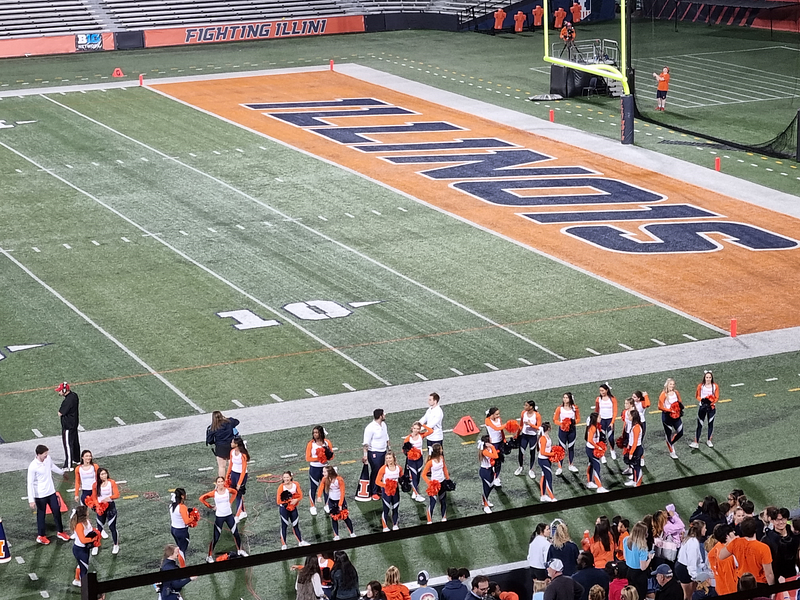
4. Make the most of professional development opportunities
One of the great things about a MSCA fellowship is the opportunity to network and establish connections with other researchers and institutions. Take advantage of any professional development opportunities that come your way, including training programs, workshops, and conferences. This will not only help you to develop new skills and knowledge, but it will also help you to build professional relationships and collaborations, which are crucial for success as a research fellow.
5. Actively seek out social connections
Making new social connections can be challenging, but it i s important for your well-being and to make the most of your experience in the USA. Talking and building relationships with your colleagues is important both professionally and personally. Take the time to get to know your colleagues and learn about their research interests and expertise. This can lead to collaborations, new ideas, and long-lasting friendships. Connecting with other research fellows who have already made the move to the USA can also be a great way to get advice and support. Reach out to other MSCA fellows through social media or online forums to learn about their experiences and get tips for a successful move (e.g., the MCAA Chapters). Don’t wait for opportunities to come to you — be proactive in seeking them out.
About the author:
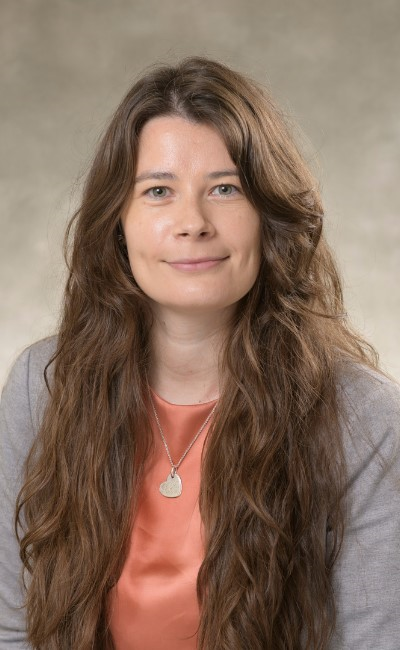
Rebecca Power is a Marie Skłodowska-Curie Action Research Fellow at South East Technological University, Waterford, Ireland. She has received funding from the European Union’s Horizon 2020 research and innovation programme under the Marie Skłodowska-Curie grant agreement No 101027911. Rebecca undertook the outgoing phase of her MSCA global fellowship in 2022 at the Beckman Institute for Advanced Science and Technology at the University of Illinois Urbana-Champaign, IL, USA.
More information on Rebecca’s MSCA fellowship and research interests can be found on her LinkedIn profile.


