From lab to market: How I almost (but not quite) became a CEO
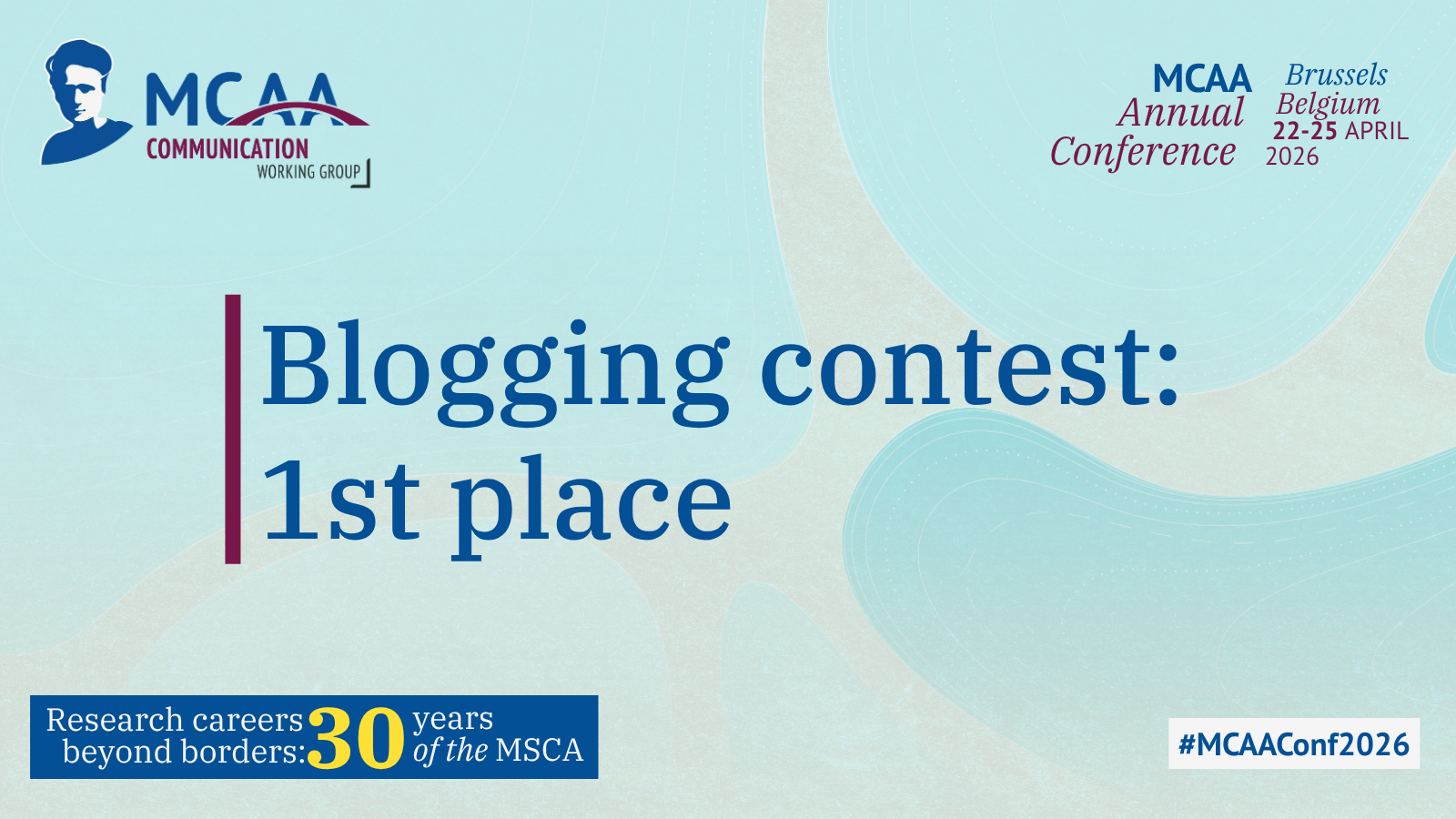
During the Marie Curie Alumni Association (MCAA) Annual Conference 2026, the MCAA Communication Working Group organised a blogging contest, inviting onsite and online participants to share key takeaways, insights, and reflections through engaging blog posts. This contest encouraged participants to engage deeply with various sessions and topics, providing a platform for sharing diverse perspectives and highlighting key moments from the event. After receiving several submissions, the top entries, showcasing exceptional quality and reporting, were published and honoured with awards. The blog post below earned first place in the blogging contest.
--
As a biomedical researcher, my 'customers' are usually mice or cells in a petri dish. They don’t talk back, well, the mice occasionally have something to say, and they certainly don’t care about market trends. While navigating the regulations for animal research can be painful, it always seemed like a walk in the park compared to the headache of launching a startup. I’ve always been perfectly happy in my white coat, far away from the world of Venture Capital. The idea of being my own boss or chasing a profit margin? Thanks, but no thanks.
My reluctance comes from a deeper place: my dad. He was a self-employed mechanic. I grew up seeing the 'glamour' of entrepreneurship firsthand, which mostly involved him being covered in grease at 9:00 PM, arguing with a client over the cost of a repair, and me trying to help him keep up with all the accounting. I decided early on: Nope. Not for me. I’ll take a steady paycheck, thanks.
And yet, I somehow found myself sitting in the "From lab to market" panel session (Thanks, Murat!), and the unimaginable happened: I got inspired.
Listening to Katrien Herdewyn (the researcher behind Elegnano®), I saw that entrepreneurship had evolved. She framed her company as a "vehicle for a mission," turning the idea of a business into something that felt purposeful.
As I listened to her talk about using nanotechnology in high-end footwear, I started thinking about my own research. If Katrien can put tech into leather boots, why am I just sitting on my findings?
There were three main takeaways from that session that actually made my inner sceptic lean in:
- The "Trojan Horse" strategy: You might have a massive, world-changing idea, but you don't have to start big. Find a way to sell something smaller first, something that funds your later vision. It’s about building a foundation rather than a skyscraper on day one. But before all that, do your research and validate that the market actually wants what you’re making before you get too deep into the action.
- Organic growth: Katrien started with personal loans, no shark-tank investors breathing down her neck. While this might not be possible for every venture, it was refreshing to learn that you don’t always need big investors at the start. She used the first three years to become profitable and then reinvested.
- The EU Inc. "Magic Wand": Apparently, there’s this initiative that acts like a "Marie Curie program for startups." They want to cut the red tape so you can start a company in 48 hours. The idea of a streamlined "EU Inc." platform to handle the bureaucracy is a total game-changer.
I also learned about tools I’d never considered, like Tech Transfer Offices to handle the heavy-duty negotiations, and the fact that entrepreneurs are part of an ecosystem. You aren't an island; you can actually ask for help.
They also touched on "The Valley of Death"—that scary gap where 85% of European startups fail. The secret to surviving it isn't just "hoping for the best"; it's using existing standards and regulations as a roadmap to reduce risk
Did I leave the room ready to trade my pipette for a business suit?
I still like my mice. I still like knowing exactly what my budget is on the first of the month. But for the first time, I didn't see a startup as just a "business", I saw it as a way to ensure the work we do in the lab actually reaches the people who need it, potentially improving lives and the world we live in.
The tools are there. The support is there. The "Marie Curie" of startups is waiting.
Am I crazy enough to create my own company? Not really, but for the first time, I actually understand why some people might.