The MCAA and RMIT Europe: Shaping research careers together
There is no single route from a PhD to a research career. At the RMIT European Doctoral Innovators (REDI) PhD Career Day event, the Marie Curie Alumni Association (MCAA) and RMIT Europe provided researchers with opportunities to engage in conversations with peers and mentors, giving them space to explore and shape their future career paths.
A research career is a journey shaped by many directions and possibilities. Researchers can build careers across academia, industry, entrepreneurship, research management, innovation, technology transfer, and many other fields, following paths that evolve with their interests, skills, and ambitions. Exploring these possibilities was at the core of the second year of collaboration between the MCAA and RMIT Europe. On 22 July 2026, the REDI PhD Career Day brought this conversation to Barcelona, Spain, as part of the final REDI Conference, with dedicated training activities for REDI PhD candidates continuing the following day.
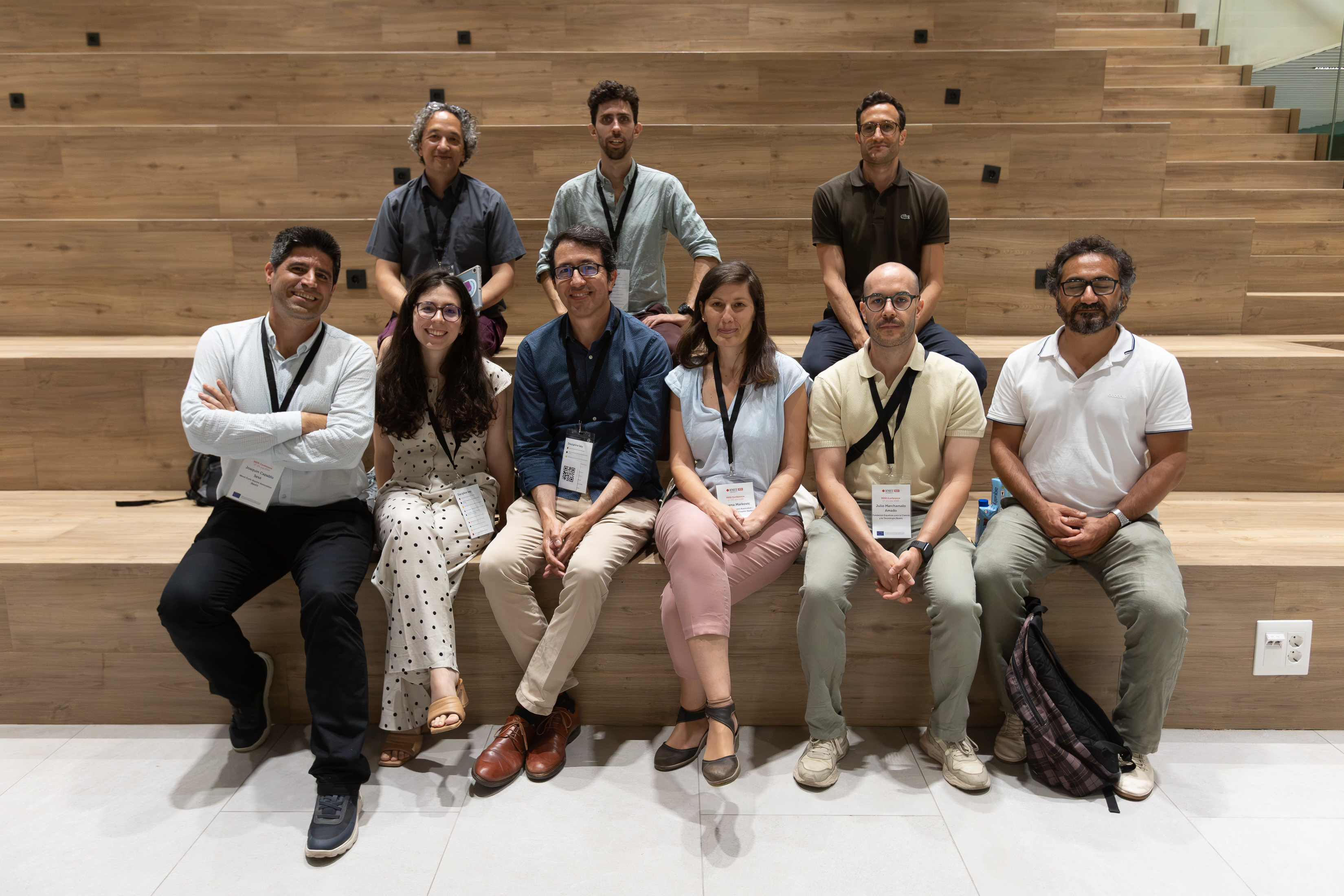
The Career Day brought together REDI fellows, researchers, and alumni, along with voices from both academia and industry. Organised by RMIT Europe in collaboration with the MCAA Bridging Science and Business Working Group, the MCAA Spain-Portugal Chapter, and the Catalan Government's Agency for Business Competitiveness (ACCIÓ), the event created a space to look beyond traditional academic careers. This perspective was particularly relevant to the REDI community, as they support 40 Marie Skłodowska-Curie Actions (MSCA) COFUND fellows undertaking doctoral research across diverse disciplines, together with a network of academic and industry partners.
Exploring career paths, connecting through the MCAA
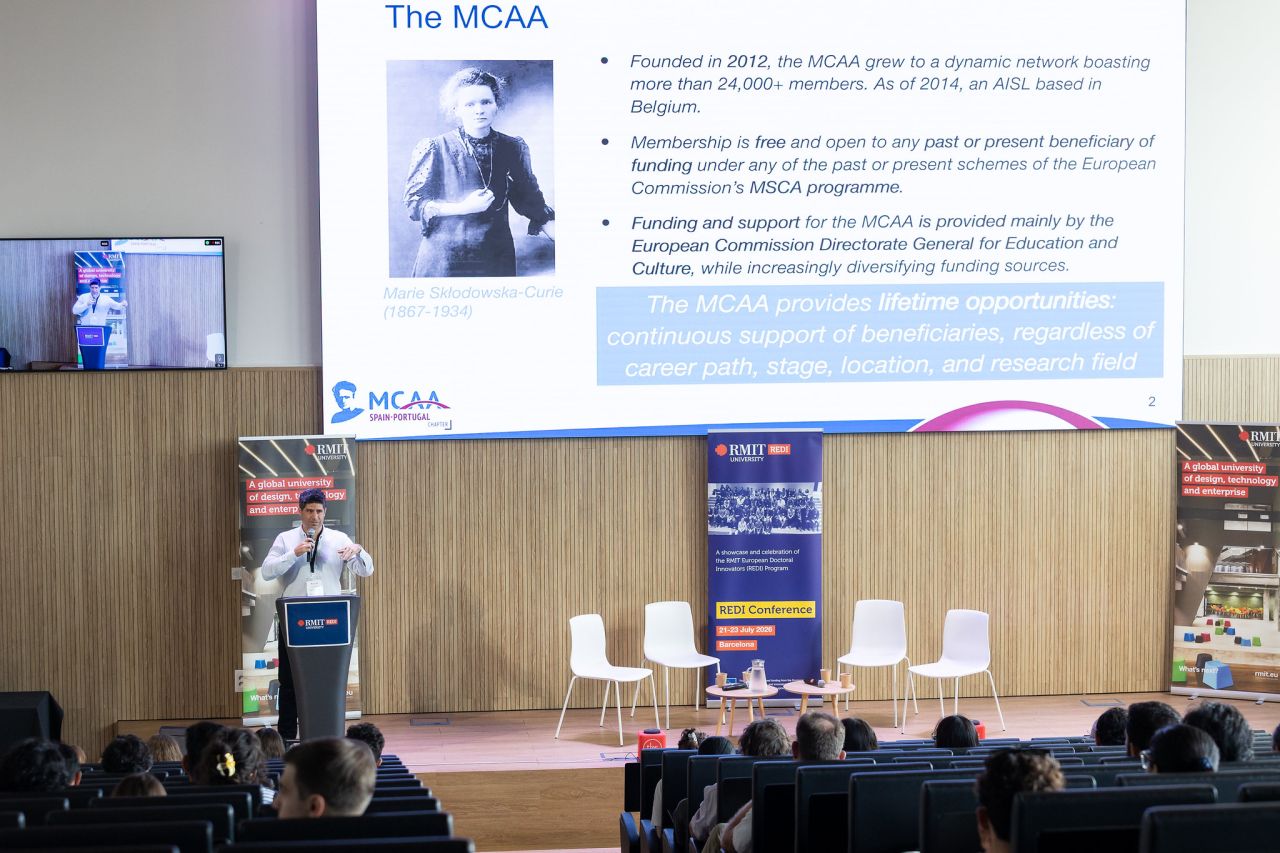
The conversation began with an introduction to the MCAA by Joaquín Capablo, MCAA Vice-Chair 2024–2026, who opened the day by sharing the story, structure, and international reach of the Association. He also highlighted what makes the MCAA community unique: its ability to connect researchers across disciplines, countries, and career stages, creating opportunities to exchange experiences and build new connections.
The meaning of innovation: from research ideas to real-world impact
The MCAA contribution also highlighted how research can travel beyond scholarly journals and find new applications in society, industry, and the wider innovation ecosystem.
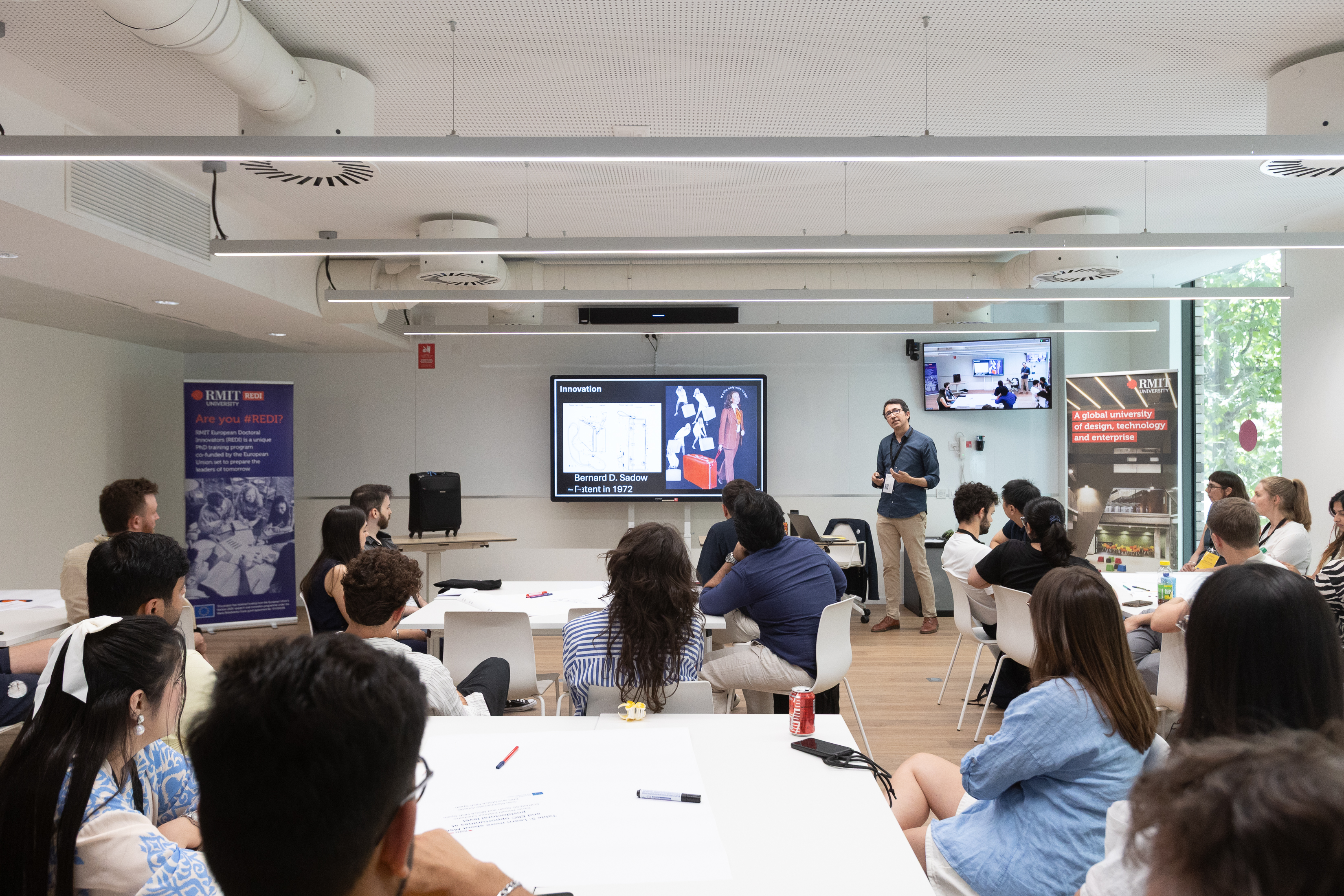
Nelson García-Polanco, Chair of the MCAA Spain-Portugal Chapter and a former MSCA fellow, shared his insights on innovation and technology transfer during a session on the topic. Drawing on his extensive experience in both academia and industry, he offered a practical view of how research ideas can evolve into projects, partnerships, and market-oriented solutions.
Career paths in conversation
The conversation continued in a more interactive format through a series of roundtables. Participants moved between tables focused on different career directions, including research careers, postdoctoral opportunities, industry, entrepreneurship, research translation, project management, and interdisciplinary research. Moderated by speakers from academia, industry, startups, and non-profit organisations, the small group discussions allowed participants to ask questions, share experiences, and explore perspectives directly.
MCAA members took part as both speakers and facilitators, bringing their own experiences to the discussions:
- Research translation: Blanca Pina, Vice-Chair of the MCAA Bridging Science and Business (BSB) Working Group, and Simone Fratta focused on non-academic career pathways available to researchers after the PhD, providing a clear overview of industry positions where doctoral training adds immediate value, alongside strategies for translating core PhD competencies into corporate-friendly language.
- Entrepreneurship and science: Moderated by Murat Güneş, Chair of the MCAA BSB Working Group, and Nelson García-Polanco, this roundtable brought the connection between research and entrepreneurship into focus. Murat illustrated how researchers can build bridges between research, industry, and entrepreneurial ecosystems, while Nelson provided insights on linking research with real-world market applications.
- Interdisciplinary careers: Nevena Marković, Vice-Chair of the MCAA Western Balkans Chapter, drew on her experience across academia, industry, and the non-profit sector to moderate the roundtable on interdisciplinary research careers, sharing perspectives on navigating professional paths that cross traditional boundaries.
- Research project management: Joaquín Capablo, who is also a manager of MSCA doctoral and postdoctoral programmes, added a vital perspective on managing large-scale research initiatives.
By rotating between tables, participants engaged in direct dialogue with researchers across diverse sectors, transforming career development into an interactive peer exchange.
Exploring career paths, building agency
The two days with RMIT Europe and the REDI PhD candidates brought together several dimensions of researcher development: exploring career possibilities, learning from peers and alumni, understanding tech transfer to gain practical skills, and wrestling with emerging technologies.
Having alumni in the room made a huge difference, giving early-career researchers the push and perspective they needed to start taking charge of their own professional paths. MCAA members brought genuine, real-world experience to the table, opening up about their own non-linear journeys across different sectors and fields.
Putting career conversations into practice
The collaboration with RMIT University and RMIT Europe continued beyond the public REDI Career Day. On 23 July 2026, MCAA members also contributed to internal training activities for REDI PhD candidates, including a CV-writing workshop and an interactive workshop on AI literacy for researchers. These sessions built on the career conversations of the previous day, bringing broader reflections on career development into a more practical setting.
The CV workshop, delivered by Murat Güneş, focused on helping researchers communicate their skills and achievements effectively. For PhD candidates considering different career directions, being able to articulate the value of their research experience to diverse audiences and sectors is a critical part of navigating the transition beyond the PhD.
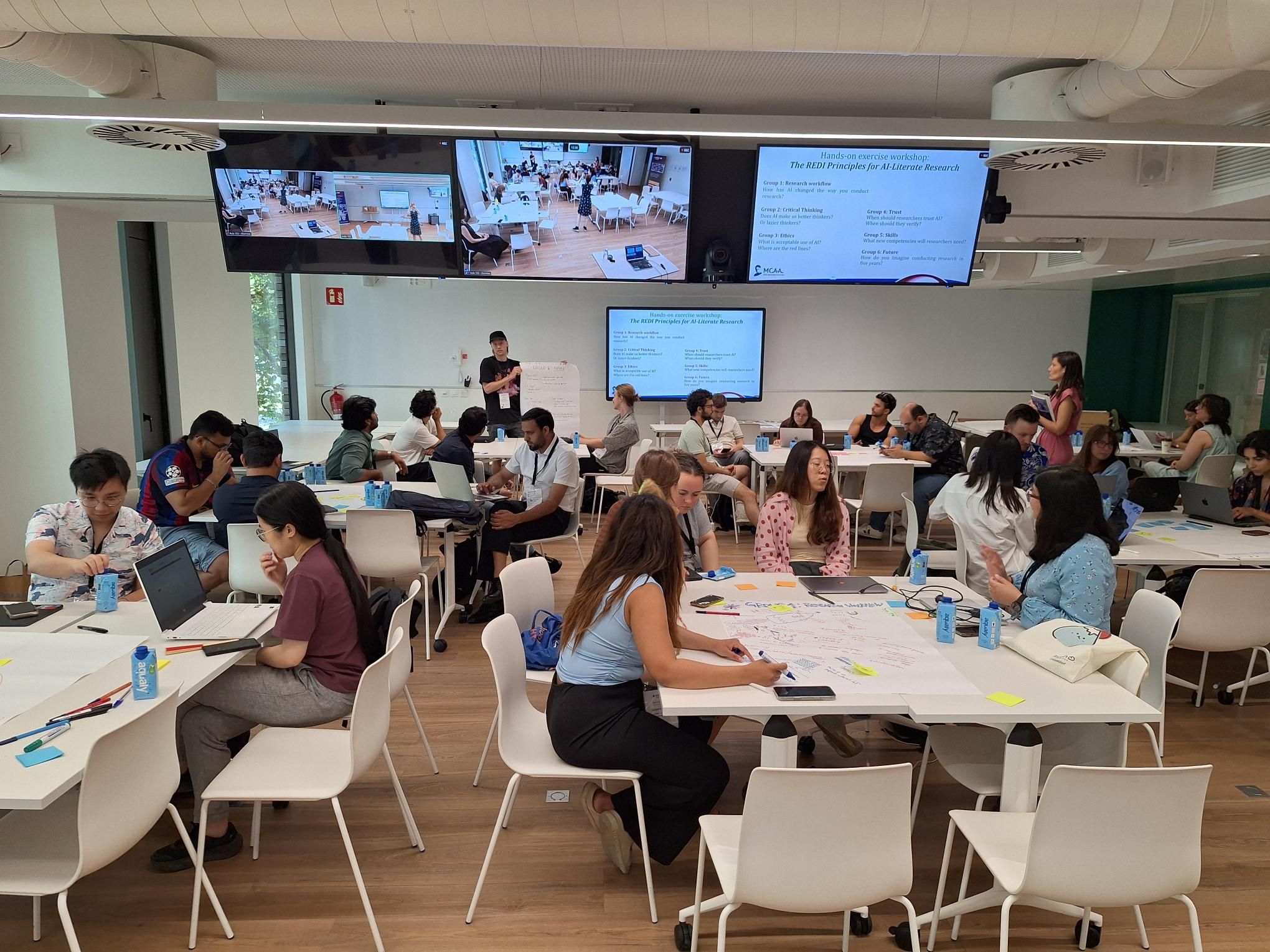
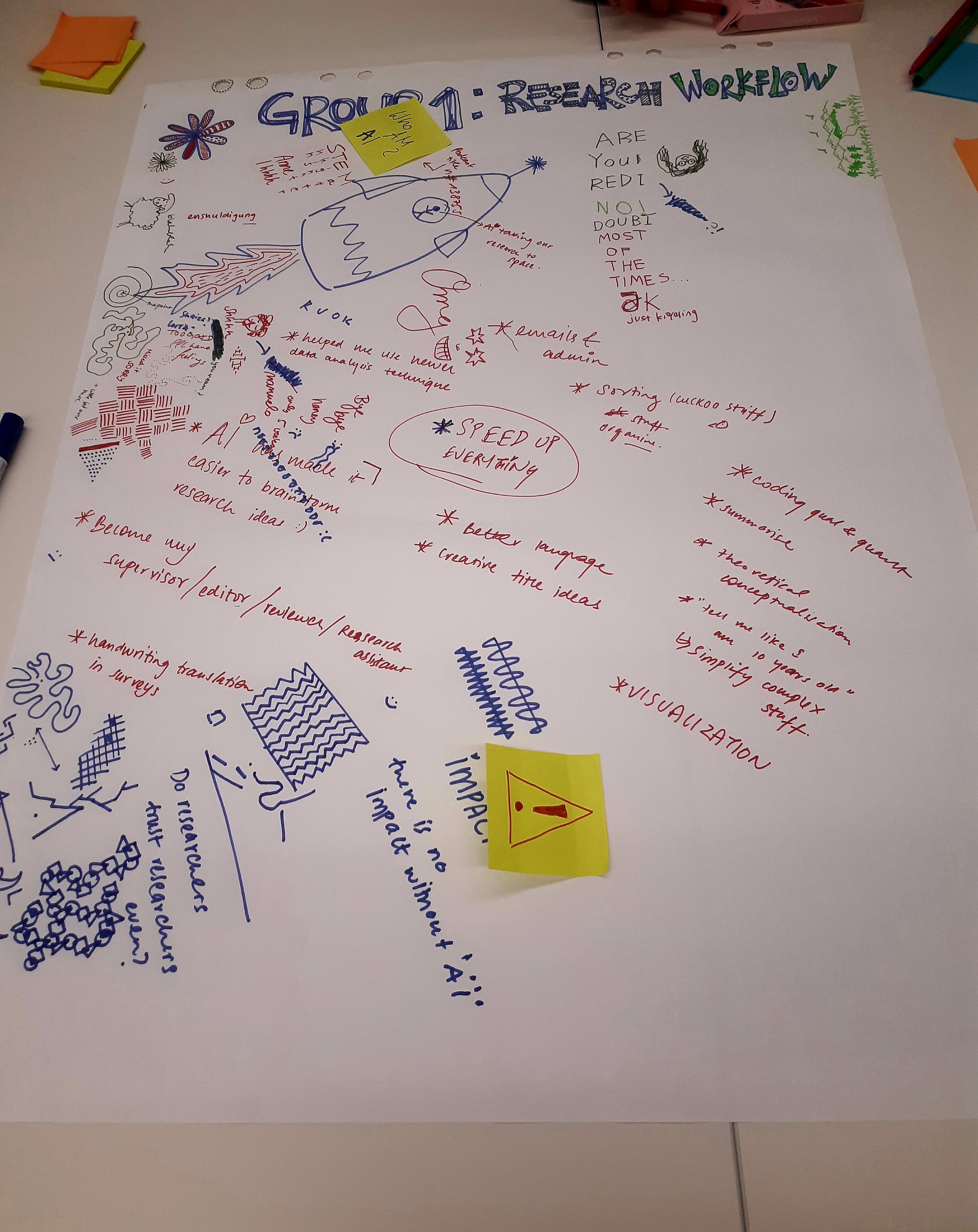
The focus on practical skills continued with an interactive lecture and hands-on workshop on AI literacy and the critical use of Large Language Models (LLMs) in research, facilitated by Nevena Marković. The workshop framed AI literacy as a question of critical engagement, combining practical understanding with a participatory approach. REDI PhD candidates were invited to consider what AI literacy and responsible use of LLMs mean in research, and how these technologies influence research practices, decision-making, and responsibility.
Working in six groups, participants explored challenges related to the use of LLMs in their PhD projects and drew their own conclusions about responsible AI use. The outcome was entirely collaborative: participants themselves co-created the “REDI Principles for AI-Literate Research.”
Connecting communities: the MCAA and RMIT Europe
The two-year collaboration between RMIT Europe and the MCAA illustrates the value of building partnerships with institutions hosting MSCA researchers who are also part of the MCAA community. By bringing together early-career PhD candidates and experienced MCAA members across various professional trajectories, the initiatives offered REDI fellows the space, networks, and perspectives needed to navigate their career paths both within and beyond academia.
Beyond standard workshops, the REDI PhD Career Day served as a collaborative platform for challenging assumptions, exchanging ideas, and building meaningful connections. Ultimately, the event reinforced that research careers are non-linear, empowering participants with the agency and community support to actively shape their own professional futures.