Tradition or confinement: Investigating the dynamics of forced and arranged marriages in Iraq
This article draws on Marie Skłodowska-Curie Actions (MSCA)-funded research examining forced and arranged marriages, honour killings and Female Genital Mutilation (FGM), based on extensive fieldwork in the Kurdistan Region.
Research dissemination thanks to the microgrant
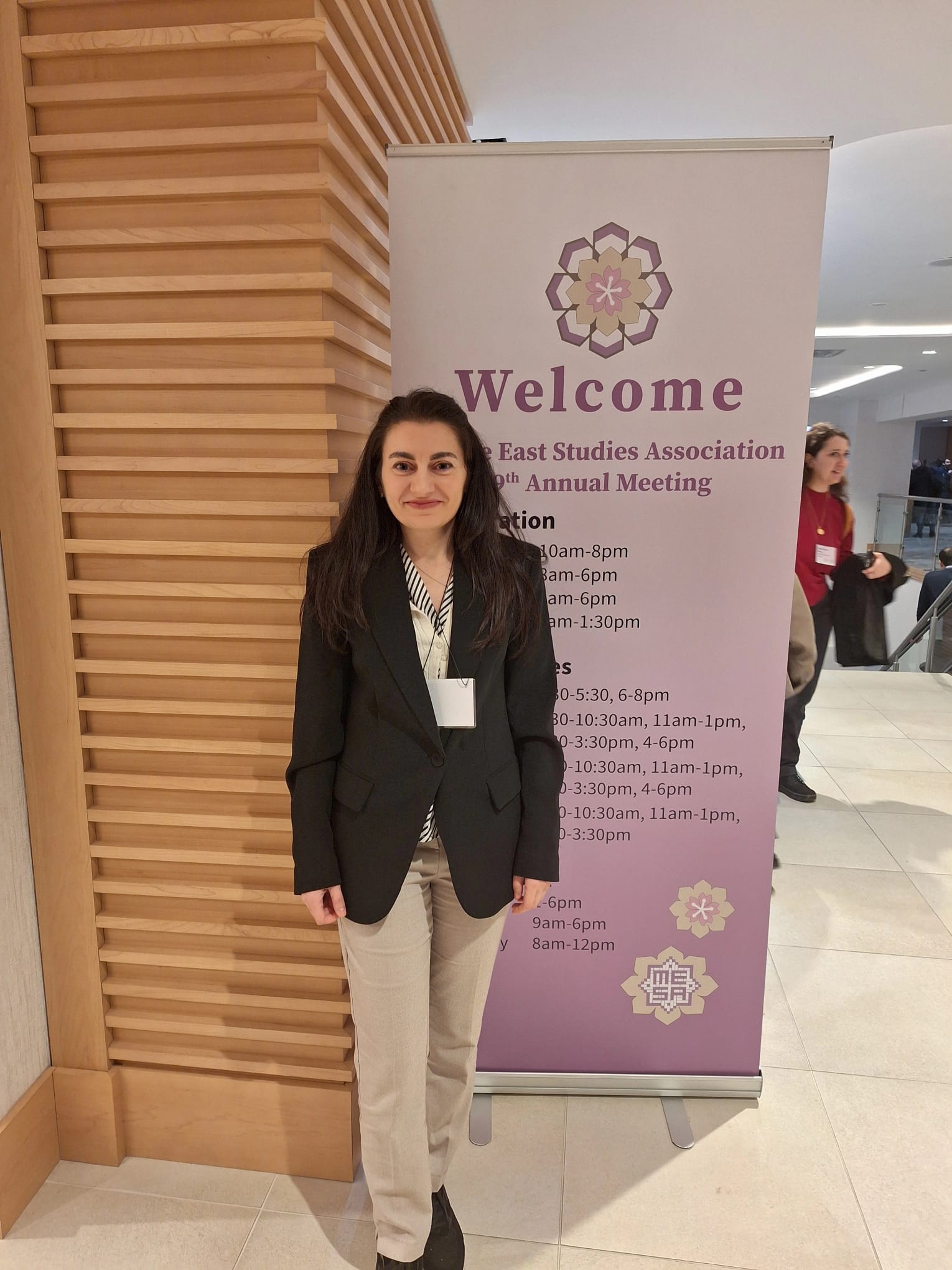
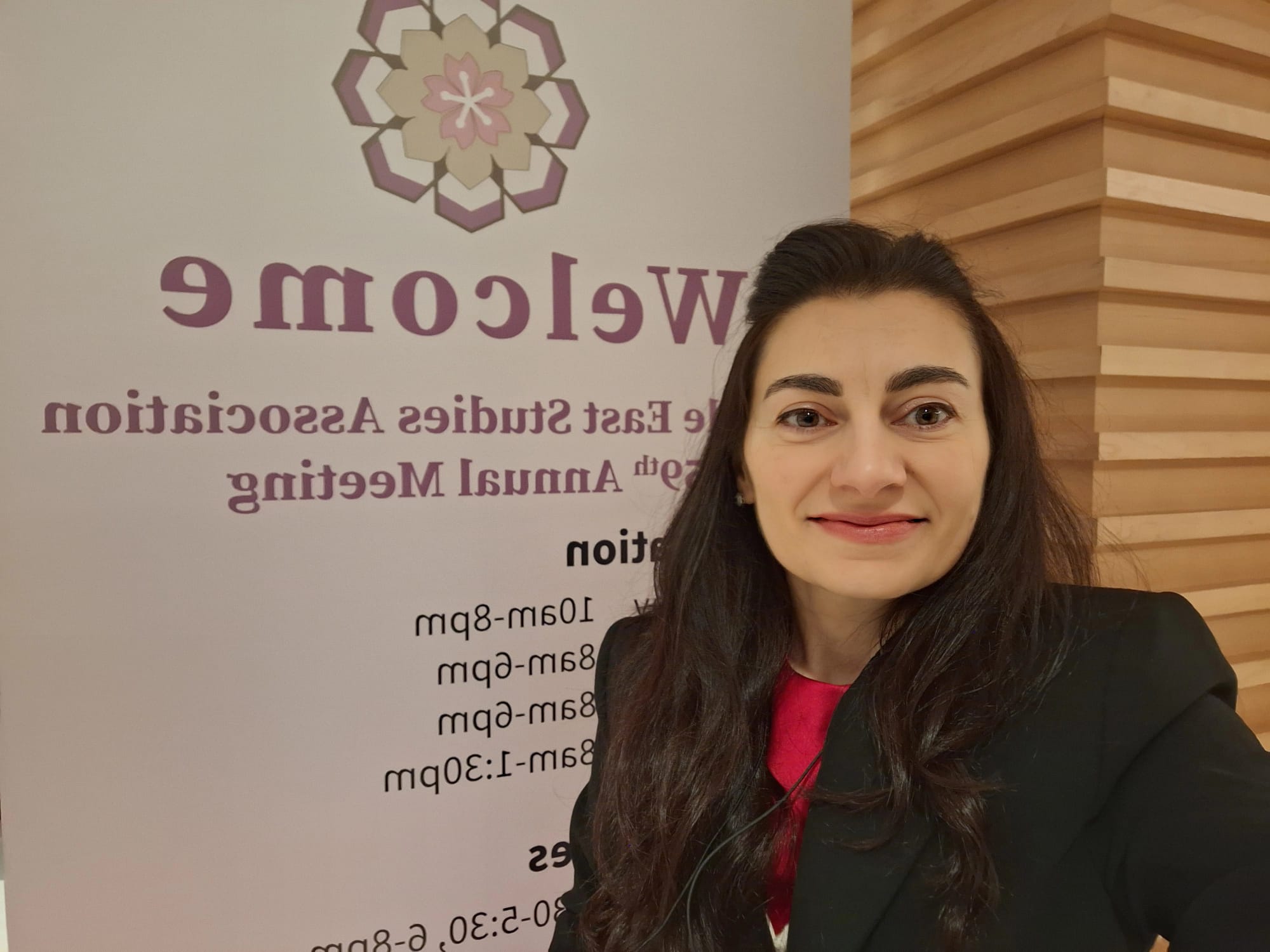
In November 2025, I had the opportunity to participate in the Middle East Studies Association (MESA) Annual Meeting in Washington, D.C., one of the field’s most significant international gatherings. Supported by a microgrant from the Marie Curie Alumni Association (MCAA), my attendance formed a core component of the MSCA-funded research on gender, violence, and social transformation in the Kurdistan Region of Iraq and within Kurdish communities transnationally. This participation provided a key platform to highlight the research and engage with international experts examining other forms of violence against women.
I chaired, served as discussant, and presented on the panel “Women’s (Dis)Empowerment in Historical Perspective and Contemporary Activism.” My publication, “Tradition or Confinement: Investigating the Dynamics of Forced and Arranged Marriages in Iraq,” drew on two years of fieldwork conducted between 2022 and 2024 in the Kurdistan Region of Iraq. The presentation was grounded in a mixed-methods study consisting of a 200-participant survey and 55 in-depth interviews with survivors, policymakers, academics, United Nations (UN) representatives, and women’s organisations. The research offers one of the first multi-site, gender-focused analyses of forced and arranged marriages, honour killings, and FGM in Iraq. It examines how these practices are sustained, justified, and contested across different social settings.
The core of my work: The patriarchal trifecta
My contribution highlighted what I conceptualise as the patriarchal trifecta—the interconnected set of arranged and forced marriages, female genital mutilation, and honour-based violence. Rather than isolated practices, these forms of violence operate as mutually reinforcing mechanisms of social control, often justified through the language of culture, morality, and protection. The presentation illustrated how women’s bodies become the terrain upon which these norms are enacted: controlled in childhood through FGM, constrained in adolescence through imposed marriages, and punished in adulthood when they resist these boundaries.
As a Kurdish-Italian researcher with a longstanding engagement in research on violence against women, this work is also shaped by sustained relationships with women’s organisations, activists, and survivors in the region. This positionality has informed both the research design and the ethical framework of the project, particularly in navigating issues of trust, access, and representation.
Future reflections
During the discussion, I also reflected on the broader implications of these findings for Kurdish and Iraqi transnational communities across Europe. The persistence of these practices across borders demonstrates that migration alone does not disrupt entrenched patriarchal structures; instead, these structures adapt to new contexts, often becoming more discreet but no less impactful.
The session brought significant engagement from scholars working on gender-based violence, Middle East politics, social norms, and human rights. Throughout the conference, I attended panels on feminist methodologies, migration and identity, and political transformations in the Middle East. These discussions enriched my understanding of how gender-based norms travel, shift, and re-emerge across different social contexts, directly informing the second phase of my MSCA project, which investigates how similar patriarchal structures operate within Kurdish communities abroad.
From a conference to a strategy
Participation in the MESA Annual Meeting formed part of a broader MSCA strategy to disseminate research beyond area-specific audiences and to position the project within international debates on violence against women. These discussions have directly informed the project’s next phase and contributed to policy-oriented discussions on gender justice. I engaged with scholars working on gender, law, political participation, and social movements in the Middle East.
These exchanges provided timely insights into how my MSCA research can feed into broader international debates on women’s rights, state responsibility, and community-led reform. The MESA increased the visibility of the project, opened space for new scholarly exchanges, and underscored the need for continued research on gender justice. This research shows that forced marriage and related forms of violence are sustained less by culture than by systems that reward control and protect those who exercise it.