Healthy and supportive environments for PhD candidates: Paving the way for good practices
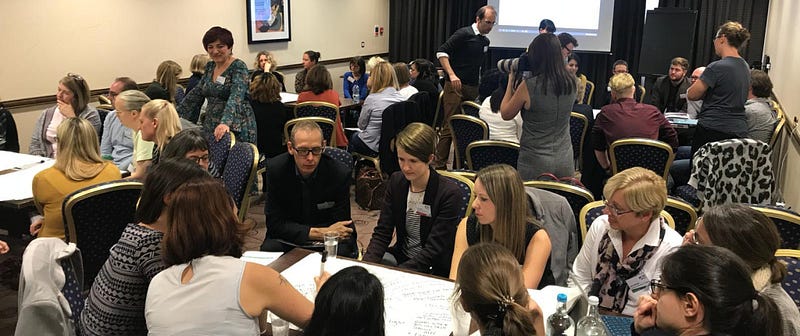
On September 17–18, the Vitae Researcher Development International Conference 2018 was held in Birmingham. As part of this meeting, the Marie Curie Alumni Association helped organise a workshop on the topic of ‘Healthy and supportive environments for PhD candidates: paving the way for good practices’.
The workshop was co-hosted by Dr Mattias Björnmalm and Dr Maria-Antonietta Bucherri from the Marie Curie Alumni Association, and Mathias Schroijen from Eurodoc (and co-developed with Dr Brian Cahill), and attracted a full room of attendees.
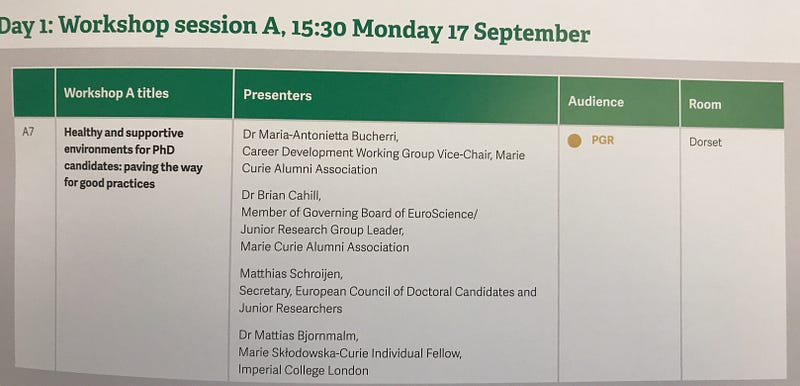
Link to online version of programme here.
The workshop began with an introductory presentation (slide deck for the full presentation available here), where one of the key points raised is the importance of an evidence-based approach for successfully creating healthy and supportive environments for PhD candidates.
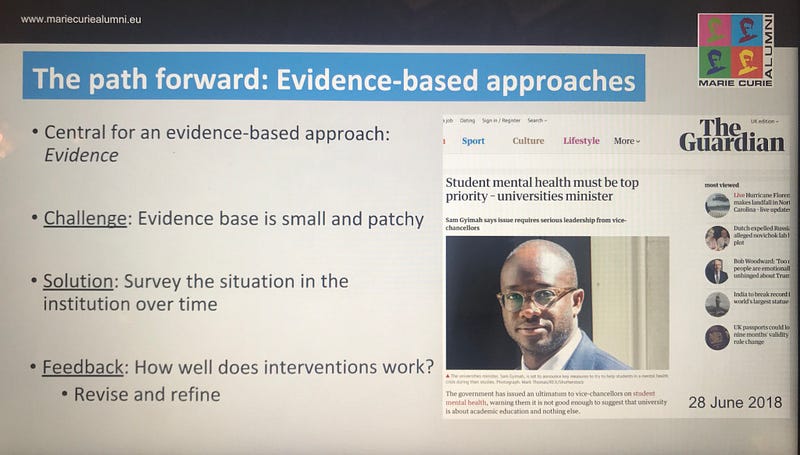
Link to The Guardian article referenced in slide.
After this presentation, the attendees formed small groups that focused on one of four questions:
- Which are the causal factors that potentially lead to mental health issues?
- What can we do to alleviate the risk on mental health issues?
- What do healthy and attractive research working environments look like?
- What are examples of good practice and how can their impacts be evaluated in both the short and long term?
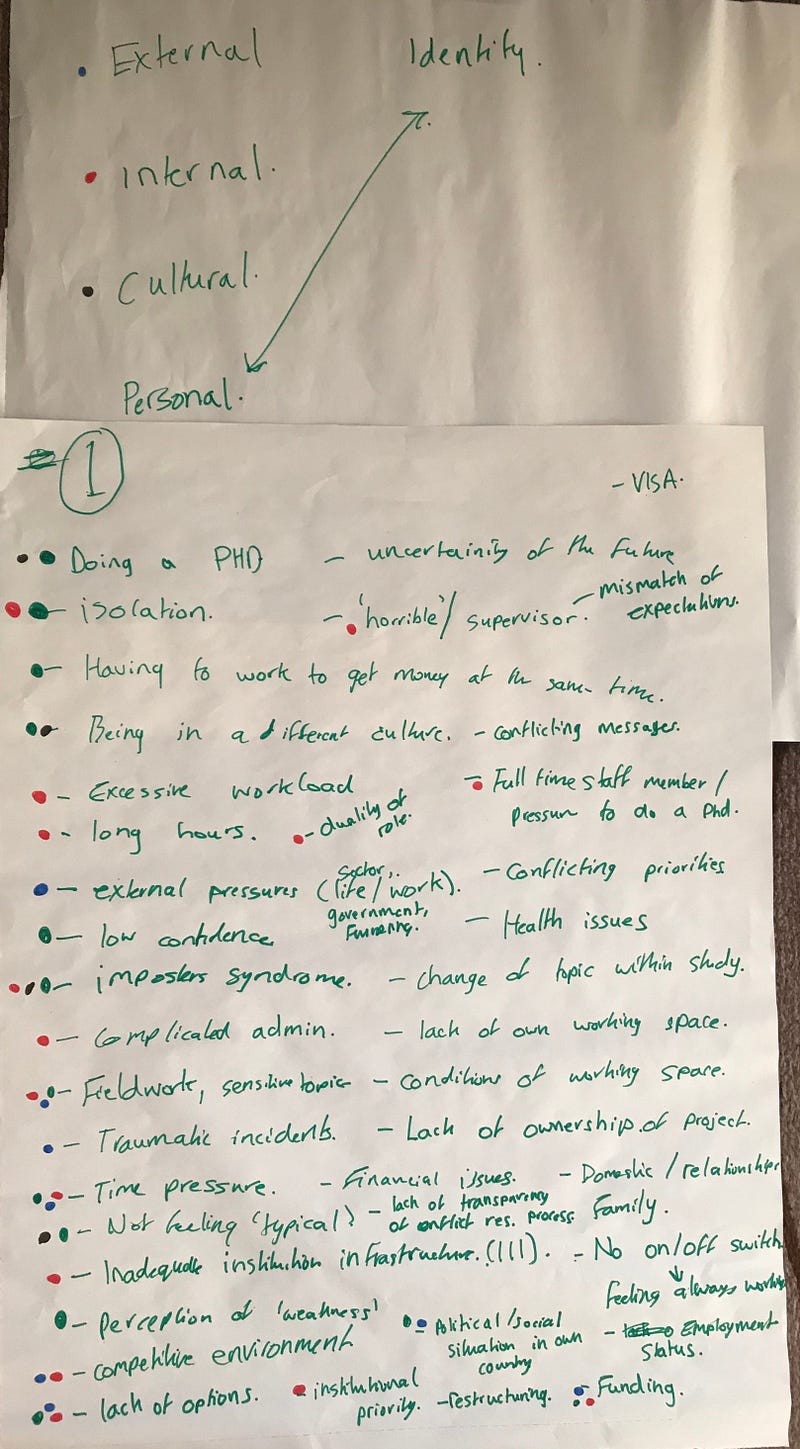
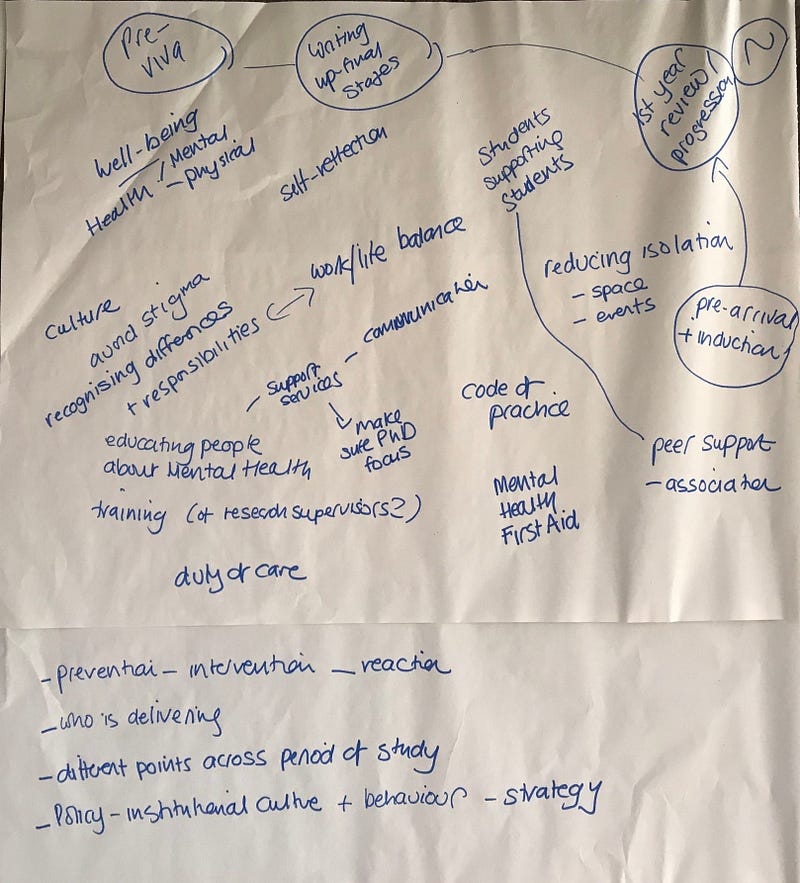
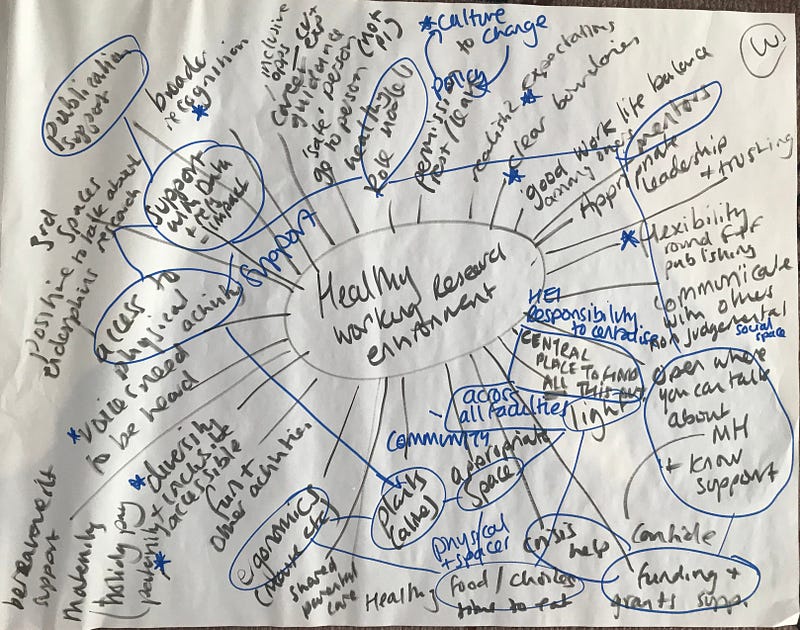
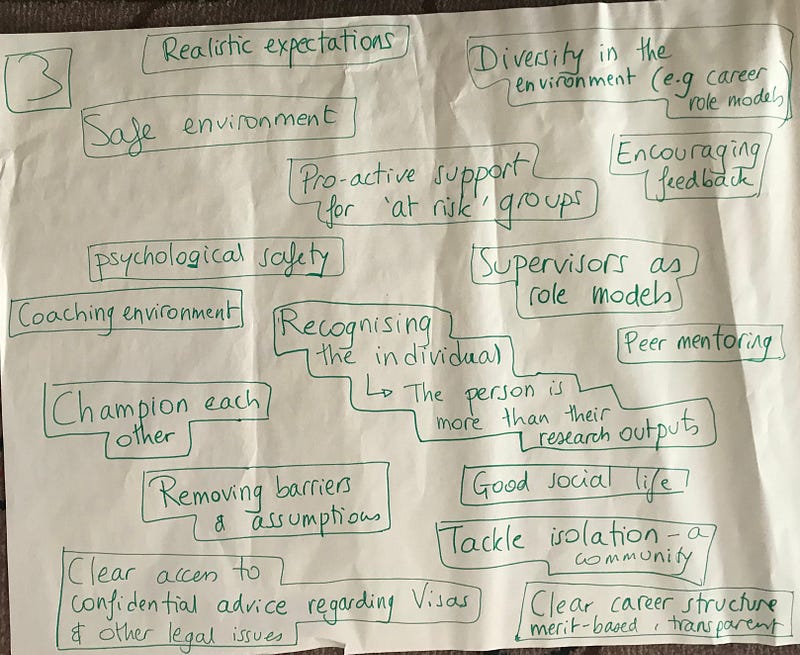
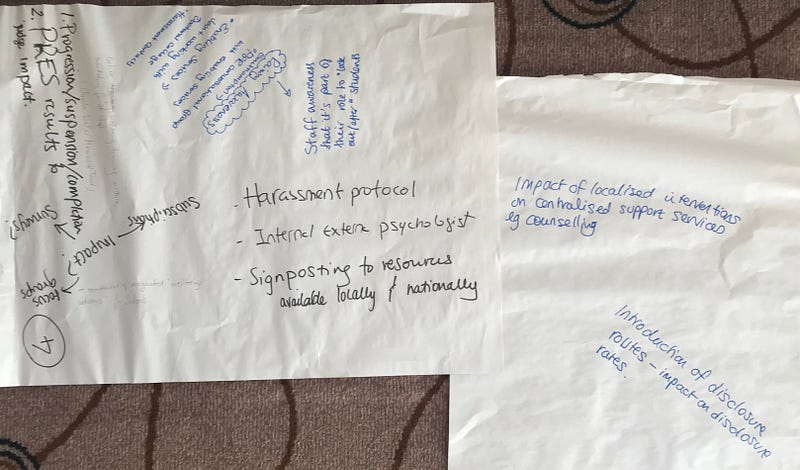
During the lively discussion each group used a poster; these can be seen below.
Group 1: Which are the causal factors that potentially lead to mental health issues? (poster below)
Group 2: What can we do to alleviate the risk of mental health issues? (poster below)
Group 3a: What do healthy and attractive research working environments look like? (poster below)
Group 3b: What do healthy and attractive research working environments look like? (poster below)
Group 4: What are examples of good practice and how can their impacts be evaluated in both the short and long term? (poster below)
The workshop finished with the groups sharing ideas, showcasing great diversity of experiences and ideas around this important topic.
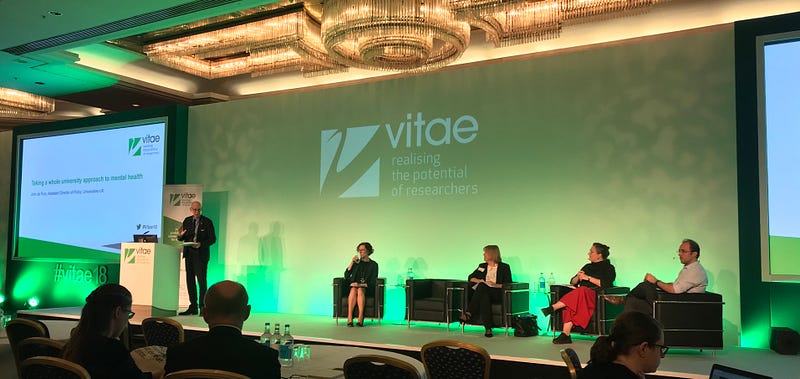
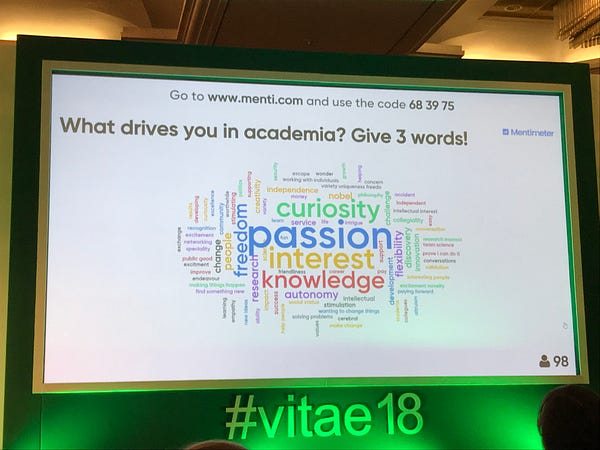
The following day Mathias Schroijen was part of the plenary session on ‘Healthy research environments’ and asked the audience (using mentimeter): “What drives you in academia?” The responses are visible below.
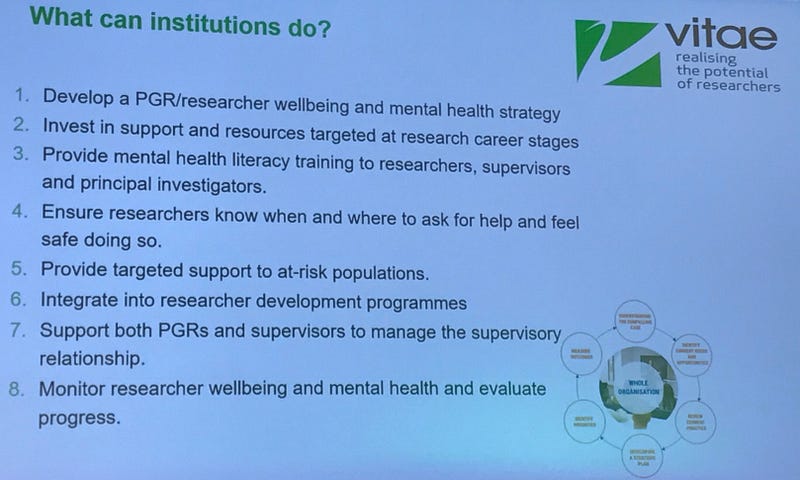
Dr Janet Metcalfe from Vitae provided a great summary of what institutions can do, see below.
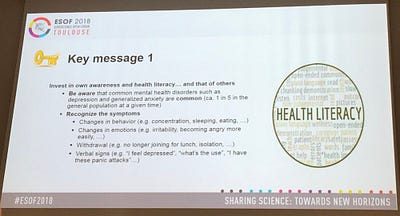
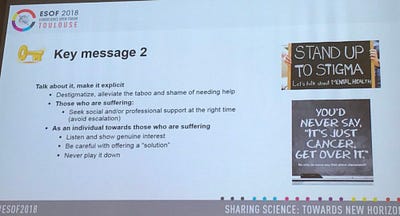
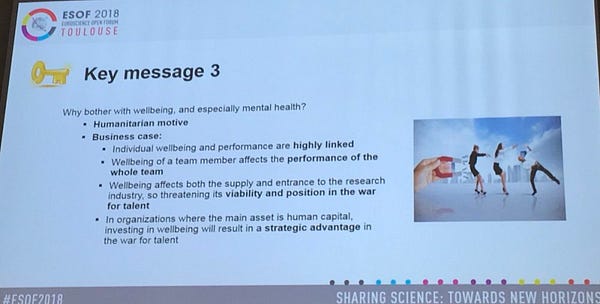
These are complementary to Dr Katia Levecque’s key messages, which she delivered during this year’s ESOF conference (see images below). Overall, it is extremely encouraging that the interest, passion and will to find workable solutions for this important topic remains high.
For more on this topic see a commentary in Nature, a previous blog post on qBionano.org, and a blog post in EuroScientist by Dr Brian Cahill from the Marie Curie Alumni Association, all published earlier this year.
This blog post has been adapted from a blog post originally published on qBionano.org under a CC-BY license.
Follow us on Medium
Have any comments on this story? Make sure you share them, using the comment form below.