International Day of Persons with Disabilities: Research in history about children with disabilities
A key to favour disability awareness and inclusion — An Interview with MSCA fellow Susanne Commend and her project NET4DISCHILD
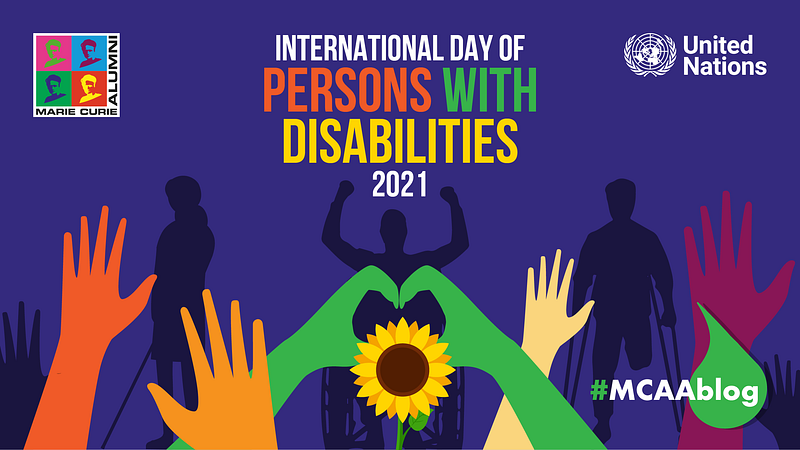
ResearchAbility (RA) is a subgroup of the Diversity & Inclusivity Task Force within the Genders, Equity, Diversity and Inclusion Working Group of the Marie Curie Alumni Association (MCAA). The main mission of RA is two-fold: firstly to support the careers of students and researchers with disabilities and secondly to promote research and awareness on disability and inclusive culture in the academic environment [1]. With respect to these aims, this blog, on the occasion of the 3rd December celebrations of the International Day of Persons with Disabilities, Alexandra and Chems from RA’s team interviewed Susanne Commend, a new MSCA fellow conducting research as a historian focused on childhood issues of children with disabilities.
MCAA and the RA team of the GEDI working group welcome Susanne Commend as a new MSCA fellow and MCAA member, here some info about her work:
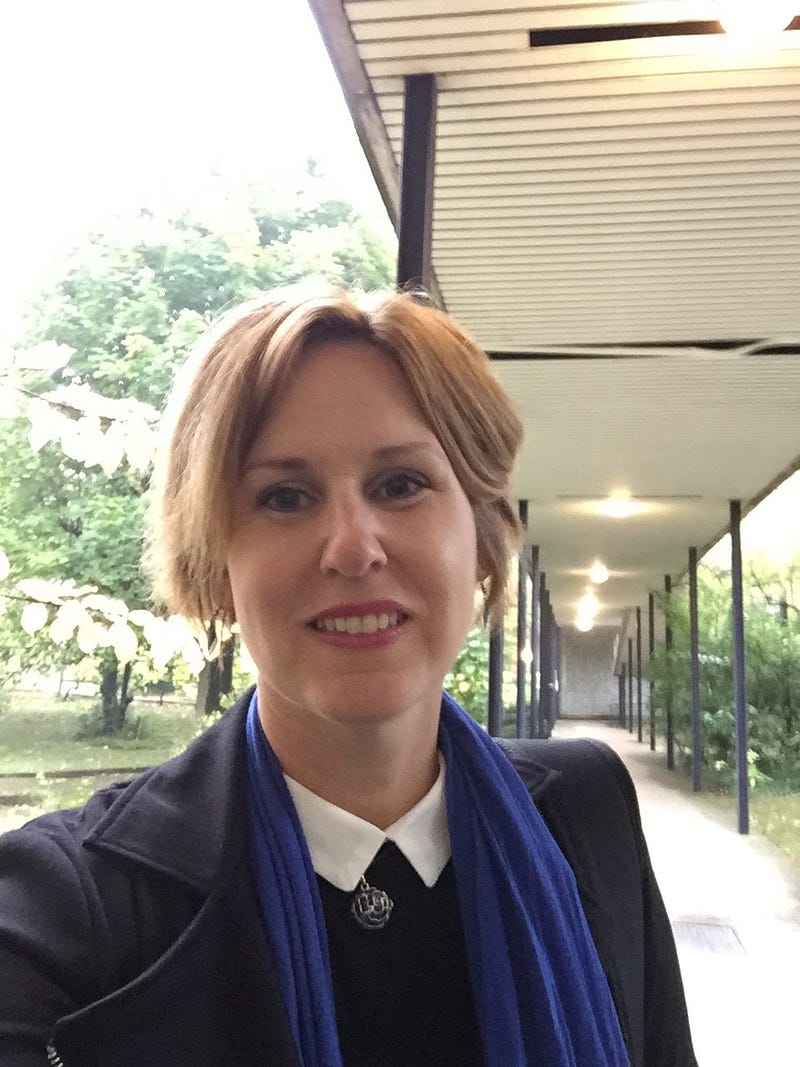
In her Ph.D. thesis at University of Montreal, Susanne shed light on the little-known past of children with disabilities in Québec and attempts to give a voice back to these forgotten ones, based on a wide variety of sources. A complete version of this work has been published with the “Presses de l’Université de Montréal” in 2021 and attests to the unique contribution to the historiography of childhood, assistance and health in Québec, but also more generally in Canada and across the Francophonie. Susanne has also completed a two-year postdoctoral fellowship at the Institute of Feminist and Gender Studies at the University of Ottawa. In September 2021, the TEMOS laboratory in Angers welcomed Susanne as a MSCA fellowship winner of the 2020 call for projects [2] with the CIE-NET4DISCHILD — Taking Care of Disabled Children: the Centre International de l’Enfance and Transnational Network, France-North Atlantic-Africa (1959–1989). Her training and networks within Quebec and Canadian universities positions Susanne at the crossroads of Anglo-Saxon and francophone influences.
Susanne, can you introduce your project NET4DISCHILD and how you got motivated to work on the link between disability and childhood issues to demonstrate “how disability gradually became a key global issue” that you say “must be taken into account in any health and advocacy perspective targeting children”?
Thank you, my project is entitled “Taking Care of Disabled Children: the Centre International de l’Enfance and Transnational Network France-North Atlantic-Africa (1959–1989)” and is a 2 year research project in history financed by the European Commission — Marie Sklodowska Curie individual Fellowship Actions (MSCA).
In 2021, the world will mark the 40th anniversary of the International Year of Disabled Persons, which was proclaimed by the United Nations in 1981. The International Year highlighted the results of the struggles to improve the health and well-being of children with disabilities around the world — work that began in the preceding decades, spearheaded by international organizations, particularly by the Centre international de l’enfance (CIE), whose central role has until now been overlooked.
My project is studying the CIE’s consideration of the needs of children with disabilities by identifying its role and measuring its influence within transnational networks. Created in 1949 by the French paediatrician Robert Debré, the CIE emerged as a major player in the transnational space of advocating for children, playing a complementary role to UNICEF. It distinguished itself by an approach that was at the crossroads of research and care through the promotion of social paediatrics, the training of professionals and the dissemination of resources and documentation.
CIE is a major player in the emerging issue of children with disabilities on the international stage, due to the credibility it earned through its international social paediatrics course. This privileged position no doubt allowed the CIE to target training needs in the French-speaking part of Africa (the former French colonies) and to suggest solutions adapted to the local context, especially through knowledge transfer among CIE professionals and specialists in the countries concerned (such as specialized educators, paramedical staff and rehabilitation professionals, and local healers or practitioners of traditional medicine).
I will evaluate what were the impacts of Declarations of the rights of disabled persons and of the International Year of Disabled Persons of 1981 in developing countries. To measure the CIE’s influence, we will identify alliances and tensions, as well as the circulation of ideas through transnational networks, international organizations (UNICEF, OMS, International Catholic Child Bureau [BICE], European Society for Social Paediatrics and Child Health [ESSOP]) and NGOs. I also wish to observe the connections among French-speaking specialists for children with disabilities on both sides of the Atlantic.
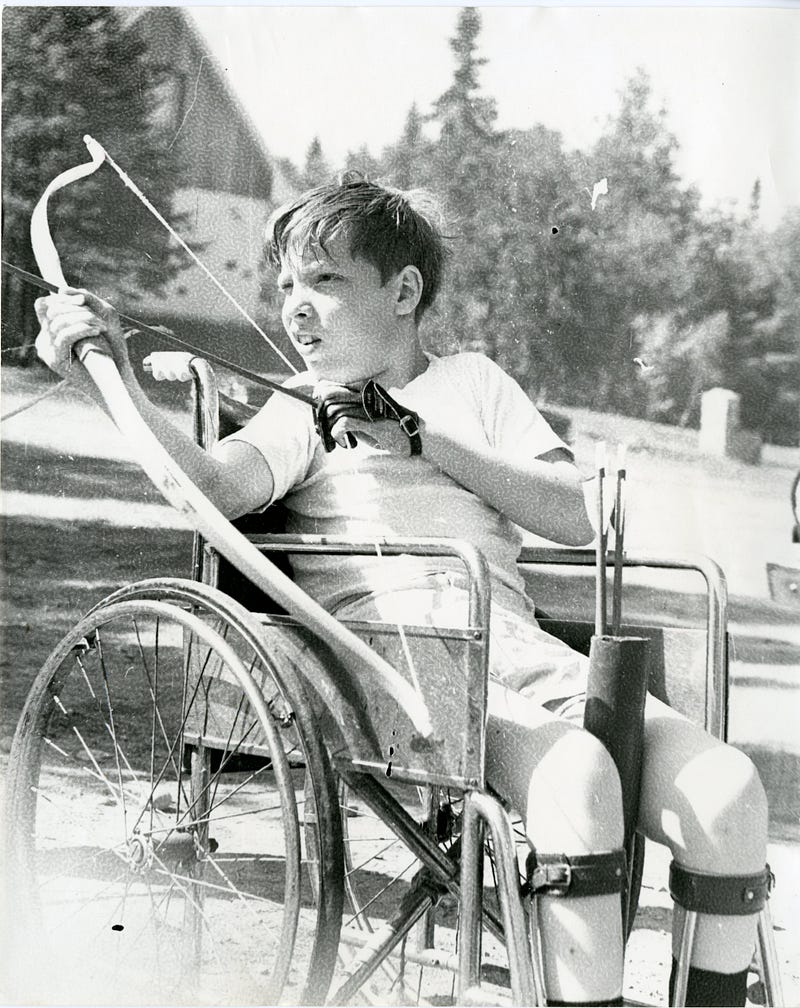
It bridges important gaps in the historiography of children with disabilities in Africa, especially in West Africa, and regarding the role and the sharing of knowledge among CIE experts and local professionals in a de/postcolonial perspective. Through its interdisciplinary research subject and its theoretical framework, this work offers an original contribution to a multidisciplinary field of study that is still largely unexplored and emerging: francophone studies on disability. Furthermore, it aims to document the past of children who remain largely forgotten and invisible
Revealing the past of children with disabilities, this research addresses crucial and current questions on care, health issues, social policies for vulnerable populations — even more vulnerable in a global sanitary crisis. This project has a real societal impact since it aims to raise public awareness and change ableist mentalities towards disabled children, thus creating a more inclusive European society.
Which are the main ways that you’ll collect your data, Susanne?
I will conduct interviews with adults having a disability asking them about their childhood and exploring their past. I will try to find autobiographies written by disabled activists or ‘ordinary’ people in various archives.
What are the main issues children with disabilities do face, looking at your preliminary studies?
There are several main issues that come into evidence. First, the right of children to be recognized as children first and not limited to their disabled identity. The person’s first language explanation does summarize this issue well, it is the child that wished to be treated and to be addressed as a child rather than as ‘a disabled.’ Closely linked to this observation is the issue of the lacking right to speak and make decisions on their own well being and thus to be seen as social actors who take their own destiny in hands. The third big problem is access to education.
How could these issues be addressed to aim for the inclusion of children with disabilities?
Only with a change of paradigm: transforming disability into a collective problem, and no longer an individual problem as done e.g. by the medical model of disability, will allow the shift from a logic of repair to that of participation and inclusion.
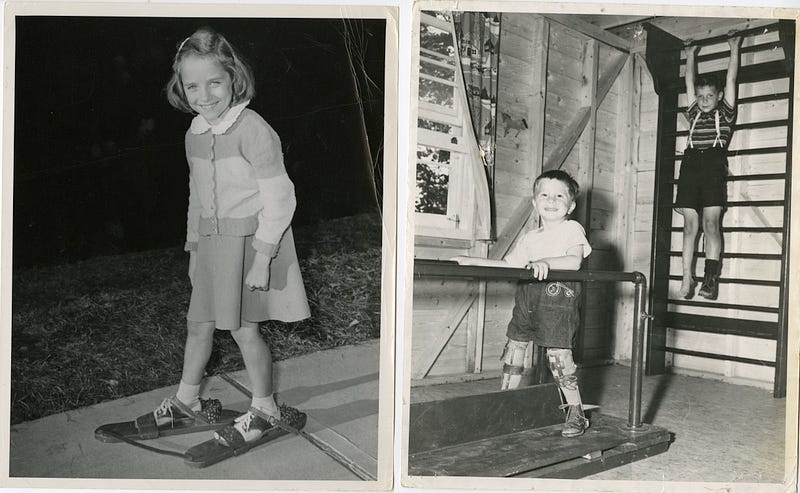
What was an important effect of the Covid pandemic on children with disabilities? As a historian, do you have any other historical events in mind that may have had such effects on children with disabilities?
The effects of school closures, medical equipment shortages and social distancing are amplified for families of children with disabilities. The loneliness and isolation of children with disabilities was higher than for other children during the pandemic. Associations of parents of visually impaired children, for instance, organized some activities and group discussions online during the pandemic, trying to limit the dangerous effects of loneliness (depression, overeating, or even suicidal ideas). See for example resume of effects in Canada on this website on Impacts of the COVID-19 Pandemic on Canadian Children with Cognitive, Behavioural or Emotional Disabilities.
The Covid pandemic is likely to have effects on the well-being of children with disabilities. When a society feels threatened, we see that the questions on the financing of care and on the treatments to be prioritized come back, risking to affect the most vulnerable. The risk is that setbacks can occur as in the case of the tragedy of thalidomide which led to a eugenic discourse with regard to newborns that the second war had nevertheless discredited.
These gains remain fragile and risk to fall into exclusion mechanisms. Indeed, despite major advances in the 1980s and 1990s, the disengagement of the neoliberal state, neo-eugenics in the form of systematic screening for intrauterine abnormalities, pressure to perform and intolerance of difference in schools hinders the full participation of young people with disabilities in the society. Furthermore, the ableist discourse that emphasizes vulnerability, sentimentalism or the ideology of healing continues to perpetuate a false image of children with disabilities, refusing to recognize them fully and simply as true subjects of rights.
The theme for IDPD 2021 is “Leadership and participation of persons with disabilities toward an inclusive, accessible and sustainable post-COVID-19 world.” How can researchers and their work support advocacy and mainstreaming of people with disabilities reaching for a better inclusion of children and people with disabilities?
Researchers working on disability and inclusion need to publish their research not only in scientific articles or books, but also need to publish in social media and practice vulgarisation of their work to reach society at a larger scale. Researchers can also give conferences that raise public awareness on the past of children with disabilities and their families and thus help to prevent discrimination or ableist attitudes towards people with disability today. Giving children with disabilities a voice, even in the historical context, can impact today’s life of children with disabilities, learning from past examples on how to prevent segregation and exclusion and favour inclusion. Thank you for today’s opportunity to present my starting project to the public, hoping to reach some interested people that wish to discuss or share information about childhood with disability in my project in the next two years.
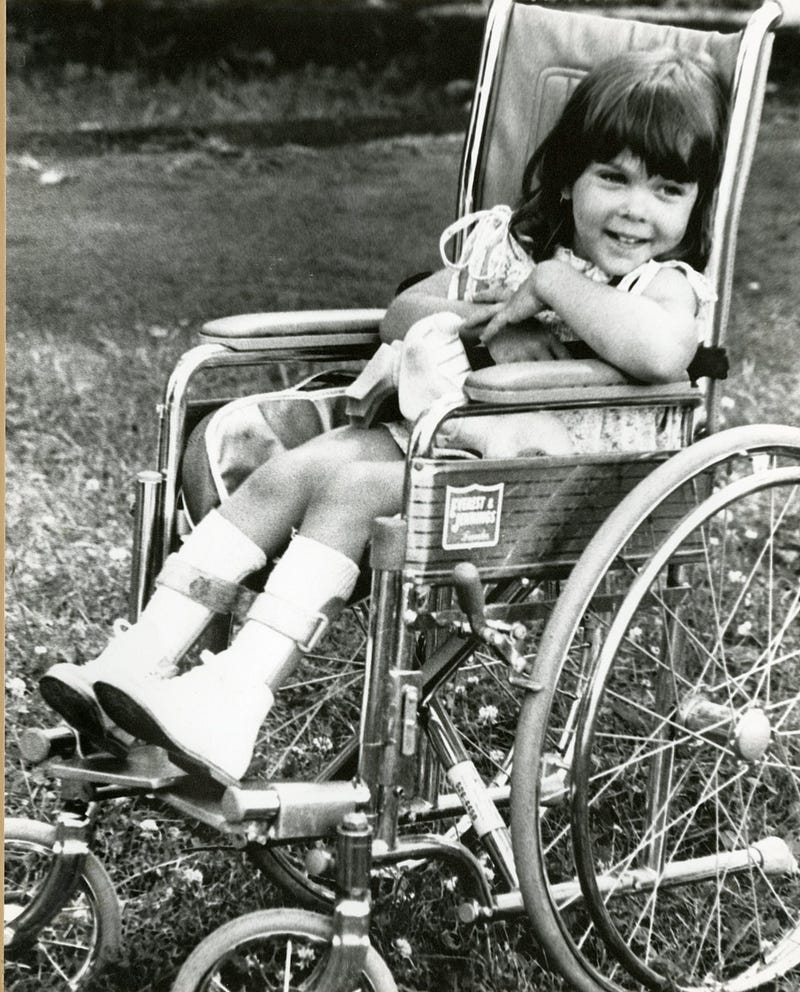
Do you have any advice for children with disabilities or their parents?
Do not stay isolated, discuss the stakes with classmates, or friends, and adults.
For children: It is important to define and assert yourself with your disability!
For parents: Do not overprotect your child, give him or her maximum autonomy by letting them participate in activities with the whole of society and do include the child in the choices about their life.
Thank you very much Susanne, and best wishes for your project work in France — the team of the ResearchAbility initiative will be pleased to stay in contact, follow up and support your work. If there is any person with disability wishing to share their stories and witness about their childhood with disability (if not acquired later in life) you can reach out to Susanne via email to mail to : [email protected]
References:
- Vulnérables, tolérés, exclus. Histoire des enfants handicapés au Québec (1920–1990)/Vulnerable, Tolerated, Excluded. History of Disabled Children in Quebec Province, Montréal, Presses de l’Université de Montréal, 3 trimestre 2020, 254 pages.
- Les Instituts Nazareth et Louis-Braille (1861–2001) : Une histoire de cœur et de vision/Nazareth and Louis-Braille Institutes, Seeing from the Heart : History of Rehabilitation Institute for the Blind, Sillery, Septentrion, 2001, 322 pages.
To favour “Leadership and participation of persons with disabilities toward an inclusive, accessible and sustainable post-COVID-19 world.” In the research ecosystem, ResearchAbility is looking for researchers with disabilities wishing to do interviews (can be anonymous) to share their experiences: difficult experiences on barriers and difficulties faced or discriminating situations and good experiences on inclusive, accessible and sustainable policies and practices in their research institutions. Interviews can be anonymous. Please reach out to [email protected]
Authors
Alexandra Nothnagel
Assistant Program Manager Accessibility & Digital Inclusion Governance, Atos, France
Graduated from Frankfurt Goethe University in Biochemistry, Alexandra Nothnagel worked in parasitology for the German Federal Agency of the German Federal Ministry of Health Paul-Ehrlich-Institut and as an Early Stage Researcher in Molecular Neurobiology with a Marie S. Curie Fellowship in the ITN ExtraBrain at ENS Paris. Alexandra is founder of the ResearchAbility initiative, an international multi-association project fostering inclusivity by supporting the careers of students and researchers with disabilities and assisting in making their professional environment accessible. Alexandra became the Co-lead of the Diversity & Inclusivity working group in Marie Curie Alumni Association, since 2019 she is in the Board of directors of the French federation for students and young professionals with disabilities “la fédé 100% Handinamique” where she leads the working group for students interested in science careers linked to ResearchAbility. Since 2020, Alexandra has a Proxy mandate for the French National Advisory Council for People with Disabilities in the working group “European and international questions, application of conventions”. After her ITN fellowship, Alexandra joined Atos as Java techno-functional consultant and became certified Agile Scrum Product Owner naturally providing Accessibility consulting in her client projects. As a consequence of her passion and activities for Accessibility and Inclusion, Alexandra became Assistant Program Manager of Atos Global Accessibility & Digital Inclusion Governance. In accordance with her scientific profile. Making use of her deep knowledge in Life Sciences and Biotechnology, being the former President of the Young European Biotech Network, Alexandra also joined the Atos Scientific Community focusing on Augmented Humans & Co-Bots. Alexandra lives with a chronic rare disease and is a Zebra in the autism spectrum, she advocates for inclusive societies and international mobility of people with disabilities and is working on the exchange between different groups of people with disabilities searching for conditions that favour the inclusion for all.
Chems Eddine HACINI
PhD student in urban planning, Angers University and Associate Teacher, Lorraine University, France
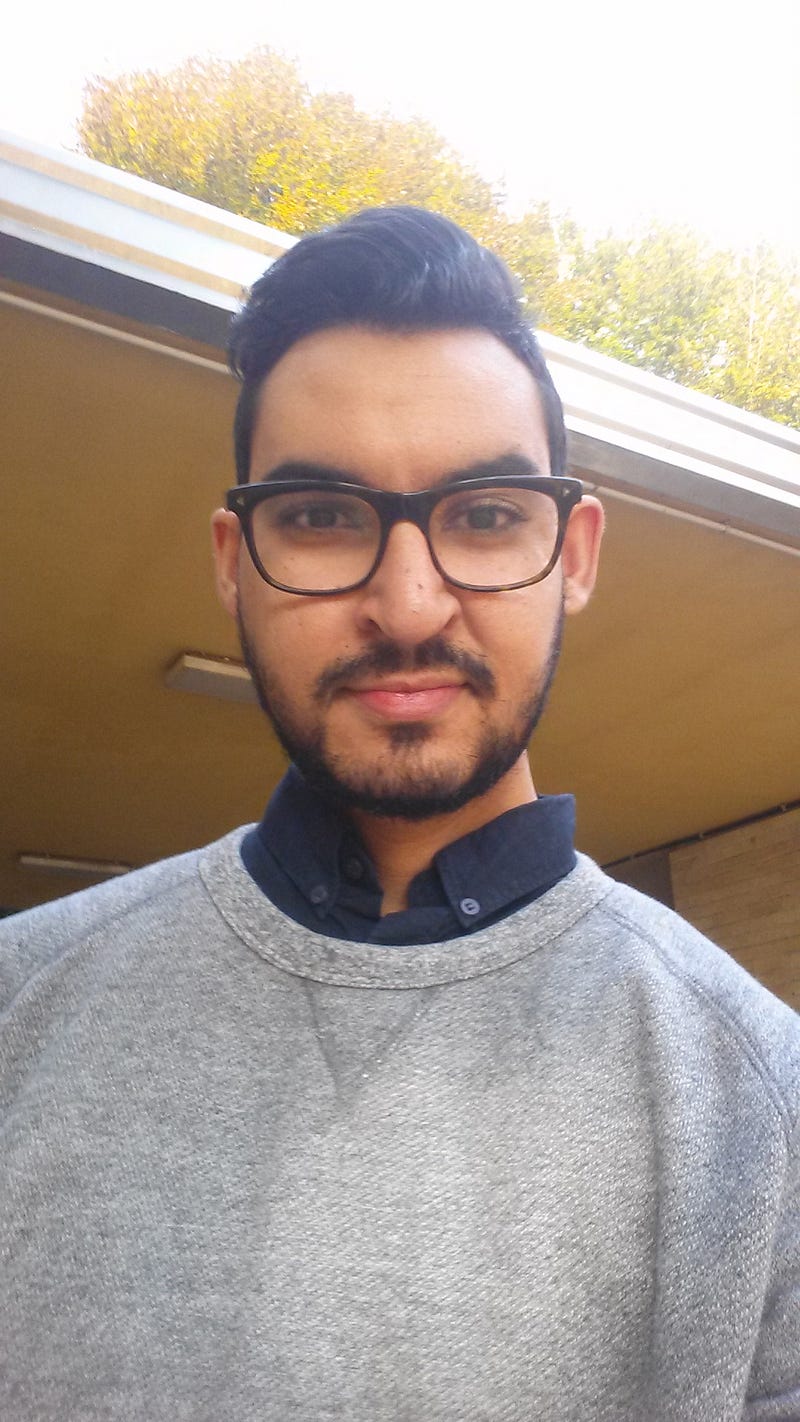
After a Master’s degree in architecture and urban planning, and working in an architecture firm, Chems began a doctoral thesis in urban planning in 2018 at the University of Angers in France at the ESO laboratory. His research focuses on the accessibility of people with disabilities in public spaces. He mainly studies the influence of the built environment on their social participation, through a socio-experience approach, to have a better understanding of the urban elements that influence the way people with disabilities move and orient themselves in space.
In parallel, he has teaching activities as a research professor in the department of geography and urban planning at the University of Lorraine in France. He is also a member of the editorial committee of the first issue of the multidisciplinary humanities and social science journal “PasserellesSHS”.
Chems is involved in the French national association for the success of young people with disabilities “la féfé 100% Handinamique” as a working group referee of the ResearchAbility team since 2019. Since 2021, he has been an assessor for the “Accessibility, Universal Design and Digital” working group of the National Advisory Council for People with Disabilities.