Special Issue - Science communication: Making research accessible - Empowering researchers through experiential training: Lessons from the MEDNIGHT-MCAA collaboration
In a world where science is more important than ever, why are researchers still unprepared to communicate their work to the public? The Mediterranean Researchers’ Night (MEDNIGHT)MCAA partnership is changing the game by empowering scientists to connect, inspire, and engage beyond academia. Discover how this collaboration is reshaping science outreach for the 21st century.
What good is groundbreaking research if no one understands it, or even knows it exists? In an era where misinformation spreads faster than facts, the ability of researchers to communicate clearly and connect with society is becoming a must. Public trust in science shapes everything from vaccine uptake to climate action, and yet, most researchers are rarely trained to engage beyond their academic circles.
The need for science outreach
Scientific outreach is more than popularisation: it is a bridge between research and society. It helps the public understand, question, and value scientific endeavours and even participate in the creation of knowledge, showing researchers the broader meaning of their work.
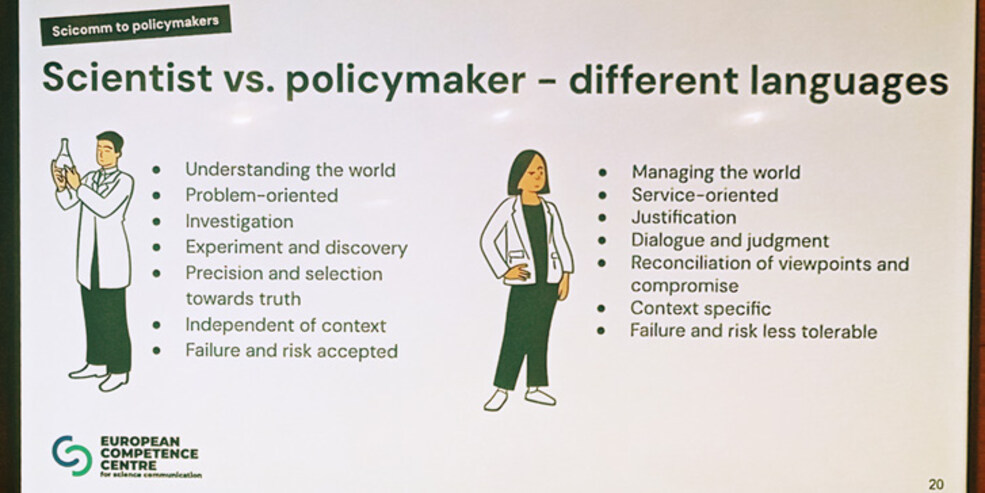
Today’s audiences are diverse: teenagers seeking answers, citizens looking for evidence-based solutions, policymakers who rely on science to make informed decisions, and communities wishing to understand how research affects their lives. To communicate effectively with these groups, one must combine knowledge, empathy, creativity, and a diverse set of appropriate skills; however, many researchers feel unprepared. Academic training still emphasises publication over participation, and outreach is often treated as optional within research careers.
MEDNIGHT: A project for connection
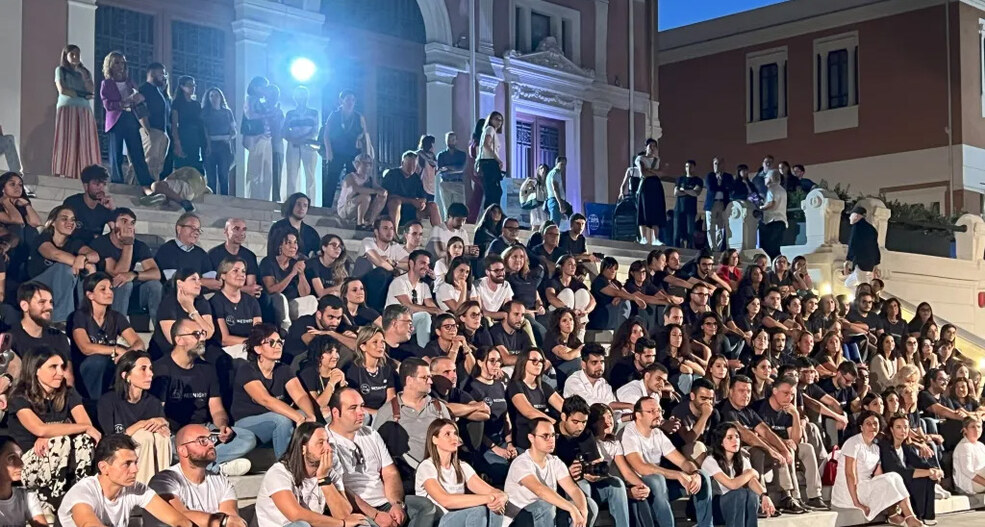
MEDNIGHT aims to bridge science and society. What makes it distinctive is its double focus on promoting women in research and on its shared Mediterranean identity, highlighting common environmental, cultural, and social challenges, and promoting science as a unifying force. The partnership with the MCAA has strengthened this mission, bringing thousands of researchers with experience in the Marie Skłodowska-Curie Actions to this purpose. Together, MEDNIGHT and the MCAA are creating opportunities for researchers to share best practices, co-create activities, and develop their communication skills through structured, hands-on training. It has also amplified Mediterranean research on the European stage, showing how science can serve as a common language across cultures.
Preparing researchers for outreach
Through this partnership, MEDNIGHT launched two online training sessions designed to equip researchers with practical skills in science communication. Held in September 2024 and April 2025, more than 100 MCAA members and a total of 300 researchers registered for these half-day workshops, which combined theoretical insights with interactive exercises focused on identifying audiences, tailoring messages, and transforming research into compelling stories. Among the speakers was Pooja Khurana, MCAA Career Development Manager, who shared strategies for engaging youth and schools through citizen science projects, demonstrating how research can directly inspire curiosity and participation among students.
Building on the success of these virtual events, the partnership expanded in 2025 with Science Speaks: A Summer School for Science Communication, held in September 2025 in Valencia. The programme was coordinated by the MCAA Communication Working Group, the MCAA Spain-Portugal Chapter, and El Caleidoscopio within the MEDNIGHT framework. Joana Magalhães from Science for Change joined the facilitator team, led by the MCAA Communication WG Chair Ashish Avasthi, alongside other experienced communicators, who guided participants through immersive sessions on storytelling, TED-style public speaking, and media engagement.
Many participants in these trainings later took part in face-to-face school-based outreach meetings across the Mediterranean, events organised to celebrate the International Day of Women and Girls in Science on 11 February, the online Young Researchers Meeting with Schools and the European Researchers’ Night, putting their new skills into practice and strengthening the bridge between research and society in over a dozen countries at a time with the participation of thousands of students and citizens, showcasing the tangible impact of the partnership between MEDNIGHT and the MCAA.
Lessons learned and future plans
The experience confirmed the need for training that allows researchers to engage directly with real audiences. Future editions should strengthen this hands-on approach and build collaborations with other outreach initiatives to create a sound international training programme for researchers. Based on these lessons, the MEDNIGHT–MCAA partnership has laid the foundations for the next phase: a continuous training scheme envisioned for 2026–2027, under the coordination of the MCAA and involving other European Researchers’ Nights, and an international recognition system for excellence in science communication.
While these initiatives are part of ongoing planning and future proposals, they reflect a shared commitment to sustain and expand the impact of current activities, where outreach training evolves into a long-term, collaborative effort across the research community.
Researchers of the 21st century will inevitably have a strong social communication component, capable of engaging with citizens, educators, and policymakers, ensuring that science is understood, trusted, and truly serves society. But communication remains insufficiently valued in researchers’ careers. Until science policies incorporate outreach as a key component of research excellence, initiatives like MEDNIGHT must continue to find creative ways to motivate scientists to share and co-create knowledge with society.
Ricardo Dominquez Jover
El Caleidoscopio