Conversations on science communication - Co-creating the future of science communication in Europe - December 2025
How do we build a research ecosystem where science communication is recognised, supported and genuinely integrated into everyday scientific work? To explore this, we spoke with Joana Magalhães from Science for Change, Ilda Mannino from Venice International University and Emma Weitkamp from the University of the West of England, who are leading the development of the European Competence Centre for Science Communication and training, respectively, through the Coordinated Opportunities for Advanced Leadership and Engagement in Science Communication in Europe (COALESCE) project.
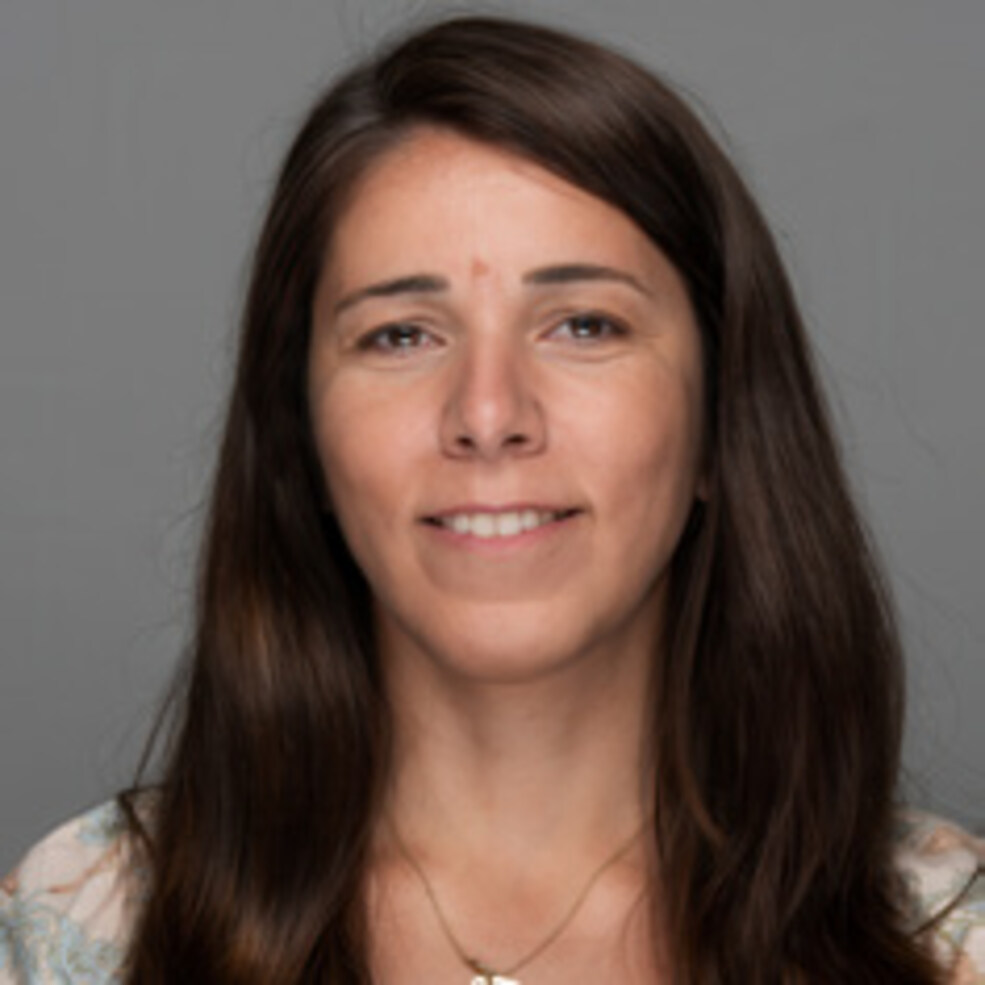
Joana Magalhães is the Science Communication Area Leader in Science for Change. She holds a PhD in Biochemistry and Molecular Biology, obtained under an MSCA Doctoral Networks in 2008. She is the scientific coordinator of COALESCE. Her science communication research and practice focus on citizen science, co-creation, gender perspective, health and life sciences communication, and the collaboration between art and science. She received the Science on Stage award in the Media category in 2017, honourable mentions at the EU SCI-DOC film festival in the Women in Science and New Media categories in 2018, and was a finalist at the Medea Awards for Creativity in Educational Media in 2017.
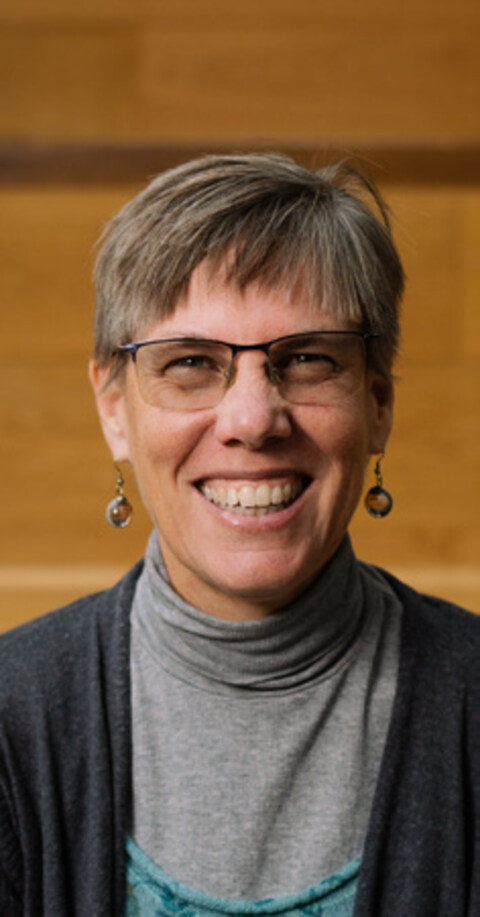
Emma Weitkamp is Professor of Science Communication and Deputy Director of the Science Communication Unit at the University of the West of England, Bristol, where she teaches in the MSc programme in Science Communication and a range of professional short courses. Her research focuses on understanding the motivations of science communicators, scientists, journalists and those working with the arts.
Could you introduce COALESCE and explain what the European Competence Centre for Science Communication will offer?
COALESCE brings together the lessons of eight European science-communication projects to build a long-term European Competence Centre for Science Communication. The goal is to bridge the gap between science and society by improving trust, supporting evidence-based communication, and helping researchers and practitioners work together more effectively.
The Competence Centre will operate through a virtual platform linked to national and regional hubs. An initial version launched in 2024, offering shared principles and quality standards for science communication resources. A major update planned for 2026 will invite users to create profiles, projects and opportunities through a matchmaking tool to find communication partners or journalists, and curated collections on topics such as inclusion, trust, misinformation and impact assessment.
COALESCE is also developing a training portfolio aligned with European Competence Frameworks, covering topics such as engaging policymakers and working with media. Some of this training has already been piloted at the Science Speaks Summer School.
MCAA members are invited to join the project’s Community of Practice and subscribe to a newsletter to be invited to participate in multiple co-creation activities, which can lead to ready- to-use resources such as a crisis navigator and guidelines for acting in times of crisis.
What barriers do researchers face in science communication, and what solutions does COALESCE propose?
Researchers across disciplines report similar obstacles, including limited time and resources, lack of recognition, difficulty engaging colleagues, and insufficient training. For those working in politicised or controversial areas, concerns about harassment, misrepresentation or conflicts between objectivity and advocacy add further complexity.
Formal recognition of science communication would make a significant difference. Many funding schemes still treat dissemination as a minor requirement, which can unintentionally signal that communication is secondary to other academic work. COALESCE’s policy report proposes strategies to improve institutional support, while an analysis of educational needs forms the basis of the Competence Centre’s training offer. Ensuring that training is structured rather than ad hoc is essential to helping researchers develop confidence and skills.
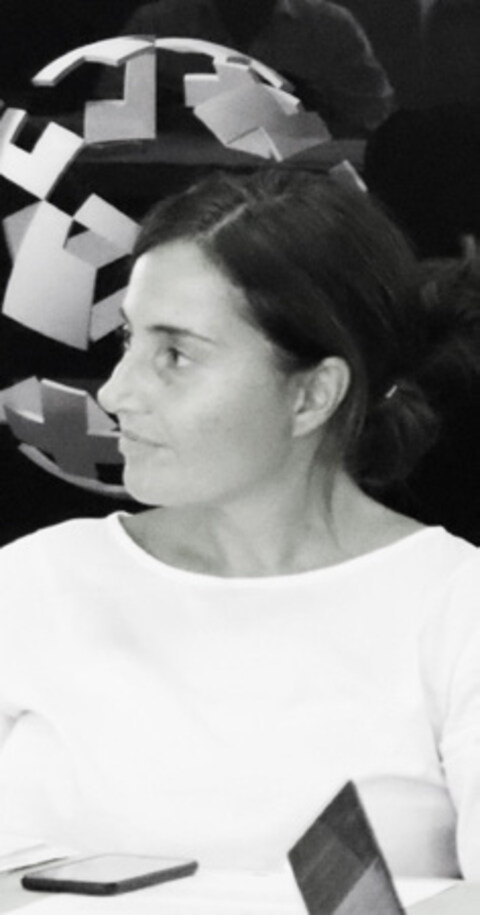
Ilda Mannino is the Scientific Coordinator of the Thematic Environmental Networks (TEN) Program on Sustainability of the Venice International University. She was the scientific coordinator of the QUEST project and now co-leads the development of training of the European Competence Centre for Science Communication. Her research focuses on defining the skill needs in science communication for scientists.
How is COALESCE responding to the growing emphasis on science communication in EU Competence Frameworks?
Recent frameworks for researchers and research managers highlight science communication as a key competence, but they still cover a limited range of practices and do not fully reflect the role of science communication professionals. Training pathways remain fragmented and vary significantly between institutions and countries, which hinders the professionalisation of the field.
COALESCE is developing a European Competence Framework for Science Communicators that will encompass a wider group of practitioners, from communication officers to museum staff. The training portfolio will include online workshops, summer schools, peer learning activities and case clinics on topics such as tackling misinformation, navigating crises, impact evaluation and public engagement. These activities will be tested throughout 2026, and COALESCE welcomes collaboration from researchers and organisations interested in shaping this next phase.

How can the impact of science communication be measured? What tools do you recommend?
Measuring impact is challenging because meaningful change takes time, and it rarely results from a single activity. A science communication event can inform or inspire, but its long-term effects are difficult to isolate. In reality, impact is often cumulative. We hope that each person reached through one activity is also reached by many others, which helps strengthen the relationship between science and society over time.
In practical terms, the only immediate information we can collect comes from short questionnaires or feedback forms that capture participants’ thoughts about a specific event. These are useful for understanding what worked, but they offer very little insight into longer-term impact. For more sustained forms of engagement, such as a researcher working closely with a school, it may be possible to track outcomes like changes in pupils’ subject choices. However, this requires considerable time and is not always straightforward.
Economic or policy impact can be even harder to attribute. Occasionally, patents or spin-out companies provide concrete indicators, but these cases are rare. For many researchers, societal value is reflected through policy influence, yet it is very difficult to link a specific communication activity to a particular policy change, aside from tracking citations in documents or funding calls.
Several useful tools support evaluation efforts. These include resources from the UK National Coordinating Centre for Public Engagement, the Research to Action engagement toolkit and the NIHR Applied Research Collaboration materials on assessing public involvement in health research. The Falling Walls Impact Planning Tool also provides a practical structure for planning and reflection. Within the Competence Centre, COALESCE is developing a dedicated collection on impact assessment and a self-assessment tool created together with stakeholders.
How do you see the field advancing, particularly in terms of recognition and professionalisation?
Recognition and professionalisation are major priorities. COALESCE is coordinating a Mutual Learning Exercise in Science Communication with nine European Research Area member states to support policy development, institutionalisation and dedicated funding. The project is also working with university alliances, the Coalition for Advancing Research Assessment (CoARA) and the Declaration on Research Assessment (DORA) to help put these policies into practice.
Across Europe, there is growing interest in identifying the competences science communicators need. A recognised framework will help individuals document their skills and support educators in structuring postgraduate programmes to enhance employability. There is considerable debate as to whether we need a professional body or other formal recognition for science communicators; that may come in time. But certainly, the ongoing work around competences will benefit the field in terms of recognition and quality of the work delivered.
Interviewees
Joana Magalhães
Science for Change
joana.magalhaes@scienceforchange.eu
Ilda Mannino
Venice International University
Emma Weitkamp
University of the West of England
Srishti Goyal
MCAA Newsletter Editorial Board